5-Minute Meditation Script for Instant Calm and Focus
Life moves fast, doesn’t it? Between work, relationships, and constant notifications, it often feels like we barely have a moment to breathe. But what if just five minutes could help you find clarity, calm, and balance again? That’s exactly what this five-minute meditation is designed for—a short, powerful practice that helps you pause, reset, and reconnect with yourself in the middle of chaos.
Even if you’ve never meditated before, this script will guide you gently through each moment. You don’t need any special equipment or experience—just a willingness to take a few minutes for yourself. Whether you’re sitting at your desk, on your couch, or in your car (parked, of course), this meditation will help you step out of the rush and into the present moment.
Preparing for the Meditation
Before we begin, take a moment to prepare your space. You don’t need total silence, but try to find a spot where you won’t be disturbed. Dim the lights or close your eyes to limit distractions.
Next, set your intention—why are you meditating today? Maybe you want to feel calmer, focus better, or simply give yourself a moment of peace. Setting an intention helps anchor your practice and gives your mind something gentle to return to if it drifts.
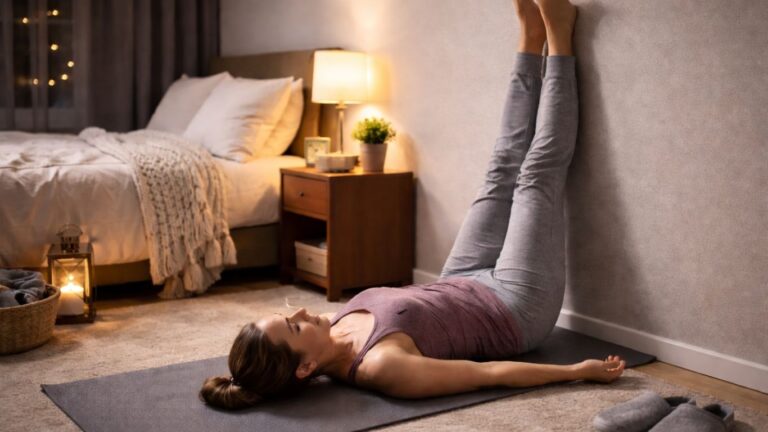
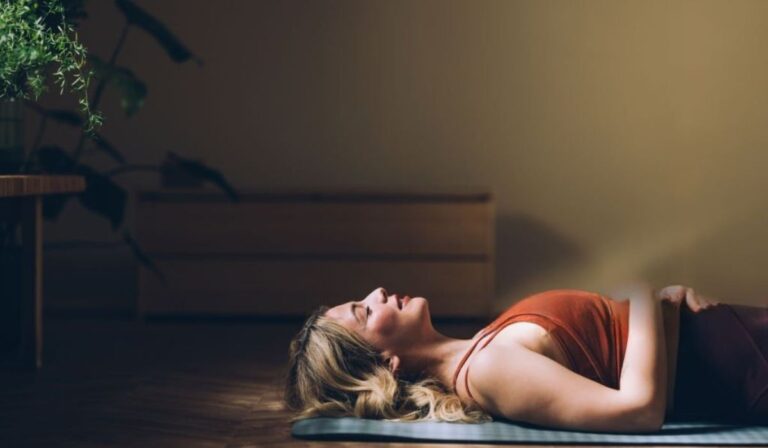
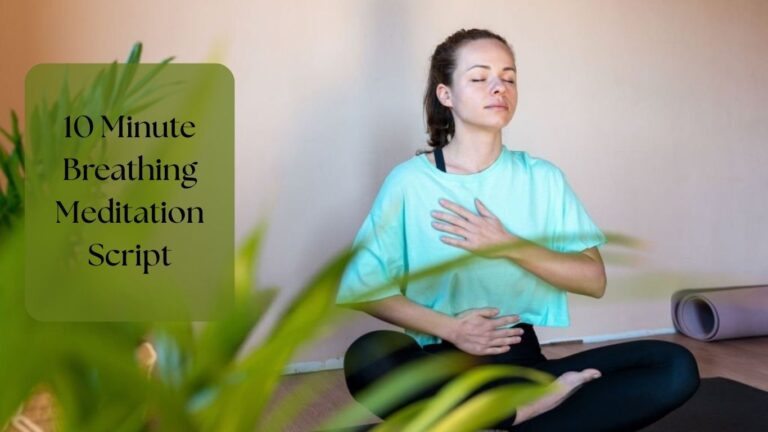
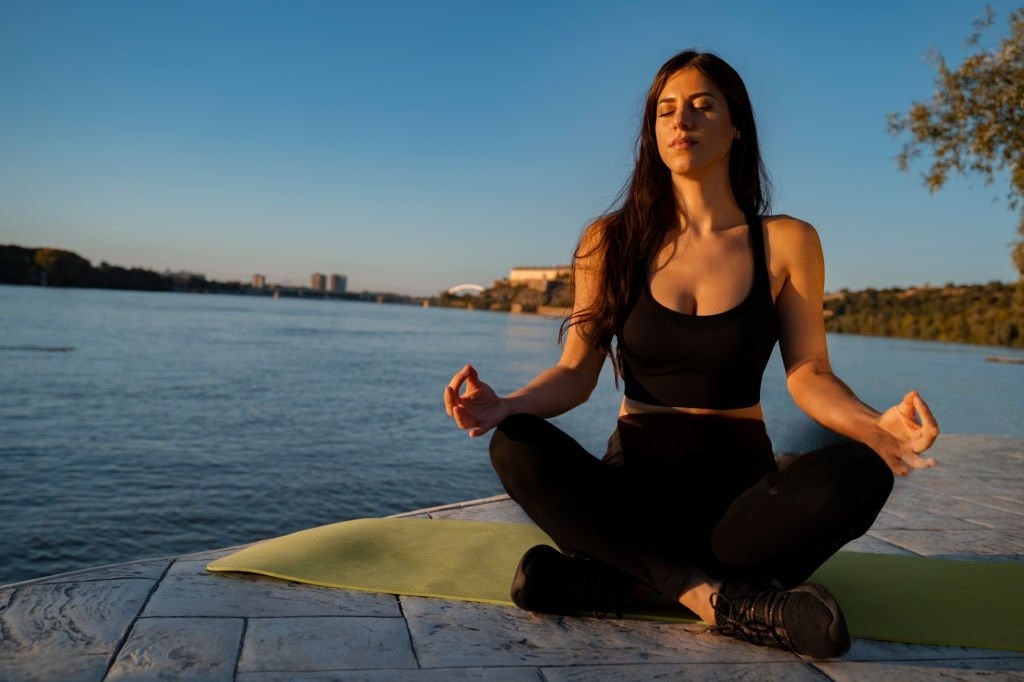
Finally, sit comfortably. You can be in a chair with your feet flat on the ground, cross-legged on the floor, or even lying down. The goal is to be alert yet relaxed—imagine your spine tall and your shoulders soft. Place your hands gently on your lap or by your sides.
Take a deep breath in…and let’s begin.
Step 1: Grounding Yourself (Minute 1)
Close your eyes if you haven’t already. Start by simply noticing where your body connects with the surface beneath you. Feel the weight of your body—the stability of the chair, the firmness of the floor. Let gravity hold you.
Take a deep, slow breath in through your nose…and exhale gently through your mouth. With each exhale, allow yourself to sink a little deeper into the moment. Imagine roots growing from the soles of your feet, grounding you to the earth, steady and strong. You are here. You are safe. You are present.
Step 2: Deep Breathing Awareness (Minute 2)
Now, bring your awareness to your breath. Don’t try to control it at first—just observe. Notice the rhythm, the temperature, and the movement of air as it enters your nostrils and fills your lungs. Then feel it release slowly.
After a few moments, start deepening the breath slightly. Inhale deeply for a count of four—1…2…3…4. Hold for a second. Exhale gently for a count of six—1…2…3…4…5…6. Let go of any tension as you breathe out.
With every exhale, imagine stress melting away. With every inhale, visualize calm energy flowing in. Feel your body softening, your heartbeat steadying, and your thoughts slowing down like waves settling after a storm.
Step 3: Body Relaxation (Minute 3)
Now, shift your awareness to your body. Notice any tension hiding in your shoulders, jaw, or stomach. We often carry the weight of our thoughts there without realizing it. Take a slow breath in, and as you exhale, allow those areas to relax.
Start at the top of your head and slowly scan downward. Soften your forehead. Let your eyes rest comfortably in their sockets. Relax your jaw—perhaps part your lips slightly to release any tightness. Feel your neck and shoulders melt away from your ears.
Move your awareness down your arms, noticing how your hands feel—warm, cool, light, or heavy. Continue scanning down your chest and abdomen. Let your belly rise and fall naturally with your breath. Then relax your hips, thighs, knees, and calves. Finally, bring attention to your feet, grounding them once again to the surface beneath you.
Take another deep breath in, and with your exhale, imagine releasing every ounce of remaining tension. Your body feels calm, relaxed, and supported. You are fully here—in this moment of stillness and peace.
Step 4: Mindfulness and Presence (Minute 4)
Now that your body feels relaxed and your breath steady, bring your attention to the present moment. This is your space of awareness—your pause from everything outside of now.
Thoughts may still come, and that’s okay. The goal isn’t to stop them; it’s to simply notice them. Imagine your thoughts as clouds drifting across a blue sky—you don’t chase them or push them away. You just watch them pass.
Bring your focus back to your breath whenever your mind wanders. Feel each inhale as a wave that fills you with calm, and each exhale as a gentle tide that carries tension away.
You might say to yourself silently, “Breathing in, I calm my body. Breathing out, I smile.” Repeat this phrase in rhythm with your breath if it helps you stay centered. This moment is yours. There’s nowhere else to be, nothing else to do—just breathe and be.
Step 5: Gratitude and Closing (Minute 5)
As we come to the final minute, gently shift your focus toward gratitude. Think of one thing—just one—that you’re thankful for right now. It could be something small, like a warm cup of coffee, a friend’s kindness, or simply this moment of stillness.
Let that feeling of gratitude fill your chest like warm sunlight spreading from your heart outward. Breathe it in. Feel the lightness, the peace, and the quiet joy of being alive.
Take one last deep, intentional breath. Inhale calm and presence… exhale release and peace. Slowly begin to bring awareness back to your surroundings—the sounds in the room, the air on your skin. Wiggle your fingers and toes. When you’re ready, gently open your eyes.
Take a moment to notice how you feel—lighter, calmer, and more connected to yourself. You’ve just given your mind and body a beautiful gift—all in five minutes.
Benefits of a Five-Minute Meditation Practice
It’s easy to assume that five minutes can’t make a difference. But science—and experience—say otherwise. A short meditation can calm your nervous system, lower your heart rate, and help your brain refocus. It’s like pressing the reset button on your mental computer.
Regular short meditations help improve mental clarity and sharpen your focus. When your mind isn’t tangled in stress or distraction, you make better decisions and feel more in control. It also reduces anxiety by grounding your thoughts in the now instead of the “what ifs.” Emotionally, it helps you become more patient, compassionate, and mindful in daily interactions. Think of it as mental hygiene—a quick daily shower for your mind.
Meditating for just five minutes a day can change the tone of your entire day. You might find yourself reacting less and responding more. Over time, those five minutes ripple out, creating more peace and resilience in everything you do.
Tips for Getting the Most Out of a Five-Minute Meditation
- Consistency is key. Doing this daily—even once a day—creates powerful long-term effects.
- Use a reminder. Set an alarm or link meditation with an existing habit, like after brushing your teeth or before bed.
- Guided audios help. Listening to a soothing voice can make it easier to stay focused, especially if you’re new.
- Don’t judge your sessions. Some days you’ll feel deeply peaceful; other days, restless. Both are normal.
- Stay flexible. Meditate wherever you are—office, car, park, or kitchen table. The practice adapts to you.
Remember: it’s not about meditating perfectly—it’s about showing up for yourself, even for five minutes.
Conclusion
A five-minute meditation may sound simple, but its impact runs deep. In just a few breaths, you can reconnect with yourself, clear your mind, and find calm within the chaos of daily life. These few minutes remind you that peace isn’t something you chase—it’s something you create, moment by moment.
Whether it’s morning, midday, or before bed, give yourself these five minutes. They’re a small investment that pays off in clarity, balance, and joy. You don’t need hours of silence—just a few mindful moments to return home to yourself.
FAQs
- How often should I do a five-minute meditation?
Ideally, once or twice a day—morning and evening are great times. Consistency matters more than duration. - Can I meditate for less than five minutes?
Absolutely. Even two or three minutes of conscious breathing can make a difference. Start small and grow from there. - Is it normal for my mind to wander?
Completely normal. The practice isn’t about stopping thoughts—it’s about noticing them and gently returning to your breath. - Do I need to sit cross-legged?
Not at all. You can meditate sitting in a chair, lying down, or even standing—comfort is what matters most. - Can I do this meditation at work?
Yes! Take a short break, close your eyes, and focus on your breath. It can quickly reset your focus and energy.