
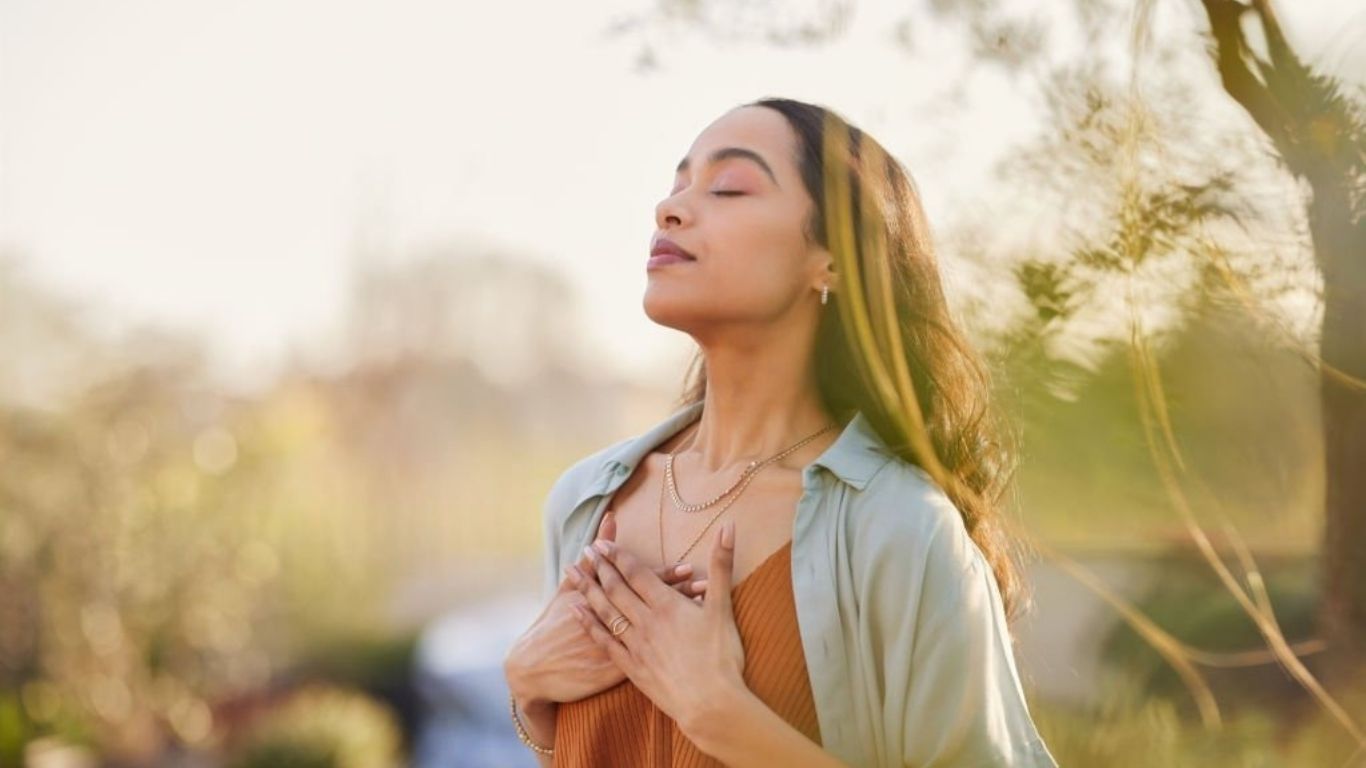
Gratitude Meditation Script: A Simple Practice to Rewire Your Mind for Positivity
In today’s fast-paced world, people are constantly chasing goals—career success, financial stability, and personal recognition. Yet, despite achieving many of these things, stress and dissatisfaction remain high. According to the American Psychological Association (APA), 75% of adults reported moderate to high stress levels in recent years. The truth is, most of us spend more time worrying about what we don’t have rather than appreciating what we do.
This is where gratitude meditation comes in—a simple mindfulness practice proven to enhance well-being, reduce stress, and reprogram the brain to focus on positivity. Unlike general meditation that emphasizes breath or emptiness, gratitude meditation centers around thankfulness. It trains your mind to notice good moments and reframe negative thoughts.
The Cost of Ignoring Gratitude
Ignoring gratitude doesn’t just affect your mood—it affects your physical and mental health. A 2015 study published in Personality and Individual Differences found that people who practiced daily gratitude reported 23% lower stress hormones than those who didn’t.
When gratitude is missing, our thoughts naturally lean toward anxiety, comparison, and frustration. This creates a mental loop of negativity, leading to:
- Reduced focus – You spend more time dwelling on problems than finding solutions.
- Weaker relationships – Unexpressed appreciation makes others feel undervalued.
- Poor sleep – Studies from the University of Manchester found that gratitude journaling before bed improves sleep quality by calming racing thoughts.
Essentially, gratitude isn’t just a “feel-good” concept—it’s a scientifically backed mental shift that impacts your brain’s reward system, releasing dopamine and serotonin, the same chemicals linked to happiness.
Practicing Gratitude Meditation
Gratitude meditation is one of the most practical ways to reconnect with the present moment. You don’t need special equipment or advanced training. Just a few minutes of intentional reflection each day can build emotional resilience and inner peace.
Below is a 5-minute guided gratitude meditation script you can use anytime—morning, evening, or during stressful moments.
Gratitude Meditation Script
Step 1: Find a Comfortable Space
Sit in a relaxed position. Let your hands rest on your lap and gently close your eyes. Take a slow, deep breath in through your nose… and release it through your mouth.
Step 2: Center Your Mind
Bring your attention to your breathing. Feel the air moving in and out of your body. With each breath, allow yourself to settle into stillness.
Step 3: Recall Something You’re Grateful For
Now, think of one thing—big or small—that you’re grateful for today. It could be your health, a kind gesture, or even a meal you enjoyed. Picture it clearly.
As you focus on this image, notice how your body feels. Maybe there’s warmth in your chest or a gentle sense of calm. Let that feeling grow.
Step 4: Expand Your Gratitude
Now think of a few more things—people who support you, lessons you’ve learned, moments that brought joy.
Silently repeat:
“I am thankful for the people, moments, and experiences that shape my life.”
Allow this sense of appreciation to spread throughout your body.
Step 5: Return to the Present
Take another deep breath in. Exhale slowly. When you’re ready, open your eyes and carry this feeling with you.
Why This Practice Works: Backed by Research
Science has consistently shown that gratitude meditation isn’t just spiritual—it’s physiological. A 2016 study by the University of California, Berkeley found that individuals who practiced gratitude-focused meditation experienced greater activation in the medial prefrontal cortex, the part of the brain linked to emotional regulation and empathy.
Another clinical study published in Frontiers in Psychology (2019) showed that just two weeks of daily gratitude practice reduced depressive symptoms by 25% compared to a control group. These results confirm that consistent gratitude reflection rewires brain pathways, promoting a more optimistic outlook.
Practicing this meditation daily helps in:
- Lowering cortisol levels (stress hormone)
- Enhancing sleep quality and duration
- Increasing emotional intelligence and compassion
- Improving immune function through better mood regulation
Making Gratitude Meditation a Habit
To get real benefits, the key is consistency. Here’s how to make gratitude meditation part of your lifestyle:
- Start Small – Begin with 3–5 minutes daily. Morning sessions help set a positive tone for the day.
- Pair It with Journaling – After meditation, jot down three things you’re thankful for. This reinforces the mental shift.
- Practice Mindful Gratitude – During the day, notice simple joys: sunlight, laughter, or a meal.
- Stay Consistent – Neuroscience research shows that forming a new mental habit takes about 21–30 days of repetition.
Gratitude Meditation in Action
A 2021 wellness study conducted by Ohio State University followed 200 participants over eight weeks. One group practiced gratitude meditation daily, while another followed standard mindfulness. The gratitude group reported:
- 32% higher overall life satisfaction
- 18% reduction in negative self-talk
- Better emotional regulation during stressful events
These findings suggest gratitude-specific meditation is particularly effective for enhancing emotional balance compared to general mindfulness practices.
Conclusion
Gratitude meditation is simple but powerful. It doesn’t require a complex routine or belief system—just intention. Whether you’re managing stress, seeking better sleep, or trying to boost happiness, gratitude meditation can serve as a daily reset button.
Start today. Close your eyes, breathe, and find one reason to be thankful. Over time, these small moments of awareness can transform how you think, feel, and live.