Morning Yoga for Stress and Anxiety (Start Calm, Stay Focused)
Waking up with stress or anxiety can make the entire day feel heavy. Racing thoughts, tight shoulders, and low energy often start before the day even begins. This is why morning yoga for stress and anxiety is one of the most effective habits you can build.
A gentle morning yoga practice helps calm the nervous system, clear the mind, and set a balanced tone for the day—before stress takes control.
Why Morning Yoga Helps Reduce Stress and Anxiety
Stress and anxiety are closely linked to an overactive nervous system. When mornings begin in a rush, the body stays in “fight or flight” mode.
Morning yoga works by:
- Activating the calming (parasympathetic) nervous system
- Releasing overnight stiffness and tension
- Slowing breathing and heart rate
- Improving focus and emotional balance
Even a short practice can make a noticeable difference.
Best Morning Yoga Poses for Stress and Anxiety
1. Child’s Pose (Balasana)
A gentle resting pose that encourages relaxation.
Why it helps:
Calms the mind and releases tension in the back and shoulders.
Hold: 1–2 minutes
2. Cat–Cow Stretch
Slow, rhythmic movement of the spine.
Why it helps:
Relieves stiffness and connects movement with breath.
Repeat: 6–8 rounds
3. Standing Forward Fold
A calming forward bend done gently.
Why it helps:
Soothes the nervous system and reduces mental overload.
Hold: 30–60 seconds
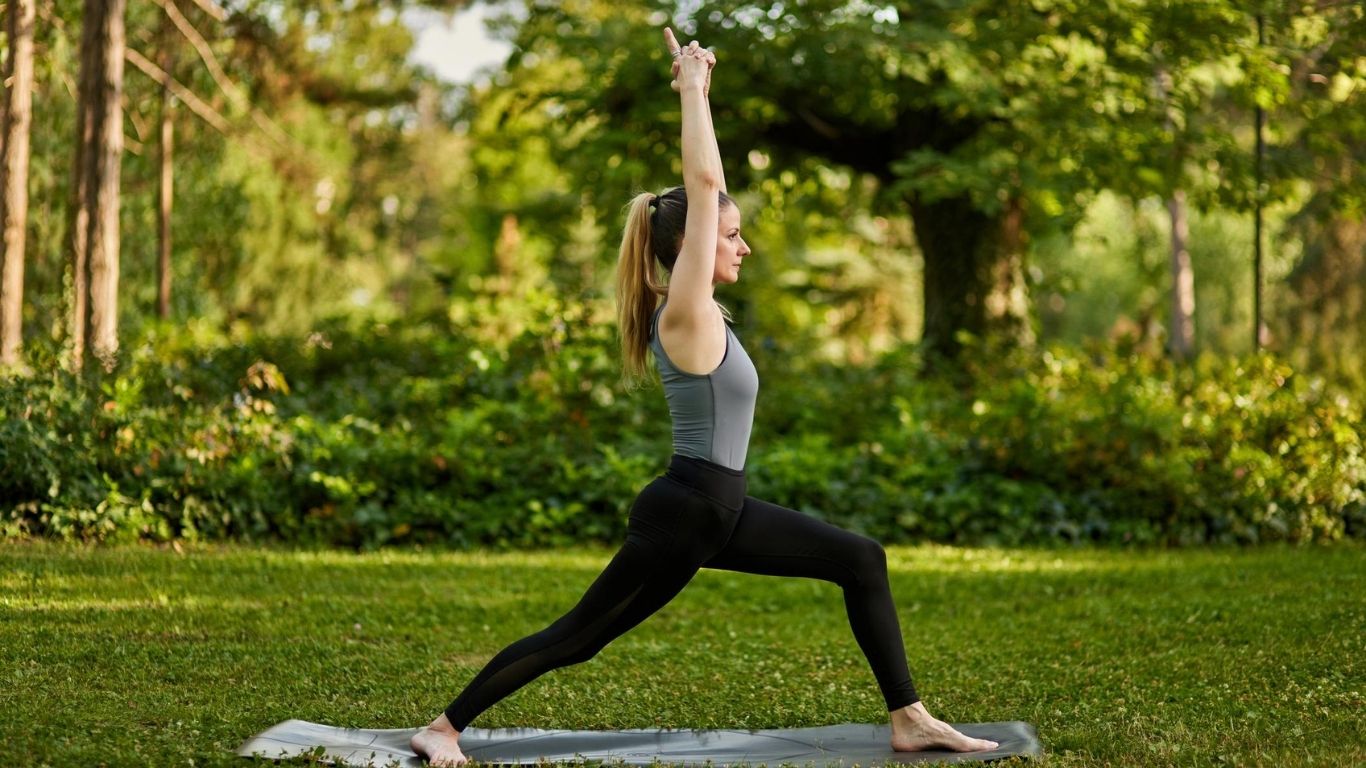
4. Low Lunge (Gentle)
Step one foot back and soften the hips.
Why it helps:
Releases hip tension, which often stores stress.
Hold: 20–30 seconds per side
5. Seated Breathing Pose
Sit comfortably with eyes closed.
Why it helps:
Encourages mindful breathing and emotional calm.
Practice: 2–3 minutes
Simple Breathing Technique for Calm Mornings
Try this slow breathing pattern:
- Inhale through the nose for 4 seconds
- Exhale through the nose for 6 seconds
- Repeat for 2–3 minutes
Longer exhales signal the body to relax.
How Long Should Morning Yoga Be?
You don’t need long sessions.
Ideal duration:
- 10–20 minutes
- Every morning or at least 4–5 days a week
- Slow, gentle pace
Consistency matters more than intensity.
Common Mistakes to Avoid
- Rushing through poses
- Skipping breathing
- Forcing deep stretches
- Checking your phone immediately after practice
Give yourself a calm start before screens.
Who Should Try Morning Yoga?
Morning yoga is helpful for:
- People dealing with stress or anxiety
- Busy professionals
- Students
- Beginners to yoga
- Anyone who wants a calmer start to the day
You don’t need flexibility or experience—just willingness.
Final Thoughts
Morning yoga for stress and anxiety is not about physical performance. It’s about creating space—physically and mentally—before the day begins. A few mindful movements and slow breaths can shift your entire mood.
If stress or anxiety greets you in the morning, let yoga be your gentle reset.