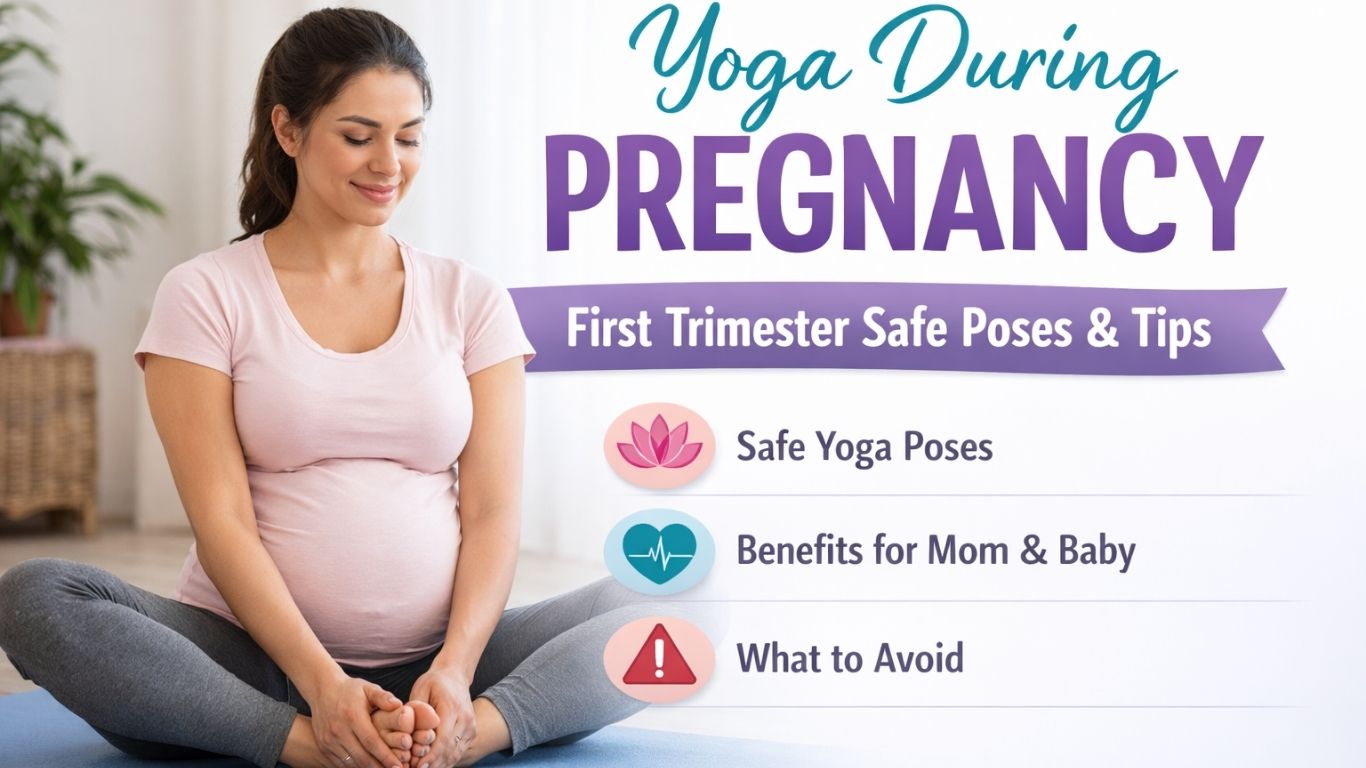
Yoga During Pregnancy (First Trimester): Safe Poses, Benefits, and What to Avoid
Pregnancy is a beautiful life change, but the first trimester can feel confusing and physically exhausting. Morning sickness, fatigue, hormonal shifts, and mood swings are common—and many women wonder:
“Can I do yoga during early pregnancy?”
The good news is: Yes, yoga is usually safe in the first trimester, as long as you choose the right poses and avoid risky movements. Yoga can support your body and mind, reduce stress, and prepare you for a healthier pregnancy journey.
In this guide, you’ll learn safe yoga poses for the first trimester, the benefits, important precautions, and poses you should avoid.
Is Yoga Safe During the First Trimester?
For most women, gentle prenatal yoga is safe during the first trimester, especially if pregnancy is normal and you have no medical complications.
However, pregnancy is not the time for intense workouts or deep stretching. Your body becomes more flexible due to a hormone called relaxin, which can increase the risk of overstretching and injury.
Always Talk to Your Doctor If You Have:
- History of miscarriage
- Bleeding or spotting
- Severe nausea or dizziness
- High blood pressure
- Placenta issues
- Cervical weakness
- High-risk pregnancy
If your doctor gives you clearance, yoga can become a powerful support tool.
Benefits of Yoga During Pregnancy (First Trimester)
Yoga during early pregnancy offers both physical and mental benefits.
1. Reduces Stress and Anxiety
Pregnancy often brings emotional changes. Yoga activates the parasympathetic nervous system, which helps you relax and stay calm.
2. Helps With Nausea and Digestion
Gentle breathing and seated stretches can support digestion and may reduce bloating.
3. Improves Blood Circulation
Yoga movements increase circulation, which helps deliver oxygen and nutrients to your body.
4. Supports Better Sleep
First-trimester fatigue is real. Yoga can reduce tension and help your body settle into deeper rest.
5. Strengthens Pelvic Muscles
Prenatal yoga strengthens the hips, pelvic floor, and lower back—areas that need extra support during pregnancy.
Important Safety Rules for First Trimester Yoga
Before starting any pose, follow these rules to protect yourself and your baby.
1. Avoid Overstretching
Relaxin loosens joints and ligaments, so keep stretches gentle and controlled.
2. Never Hold Your Breath
Breathing should stay smooth and natural.
3. Move Slowly
Sudden movements can cause dizziness or imbalance.
4. Stay Hydrated
Drink water before and after yoga, especially if you feel nauseated.
5. Avoid Overheating
Hot yoga is not safe during pregnancy. Practice in a cool, ventilated space.
6. Stop Immediately If You Feel:
- Cramping
- Bleeding
- Shortness of breath
- Dizziness
- Sharp pain
- Unusual discomfort
Best Safe Yoga Poses for Pregnancy (First Trimester)
These poses are gentle, beginner-friendly, and pregnancy-safe when performed correctly.
1. Cat-Cow Pose (Marjaryasana-Bitilasana)
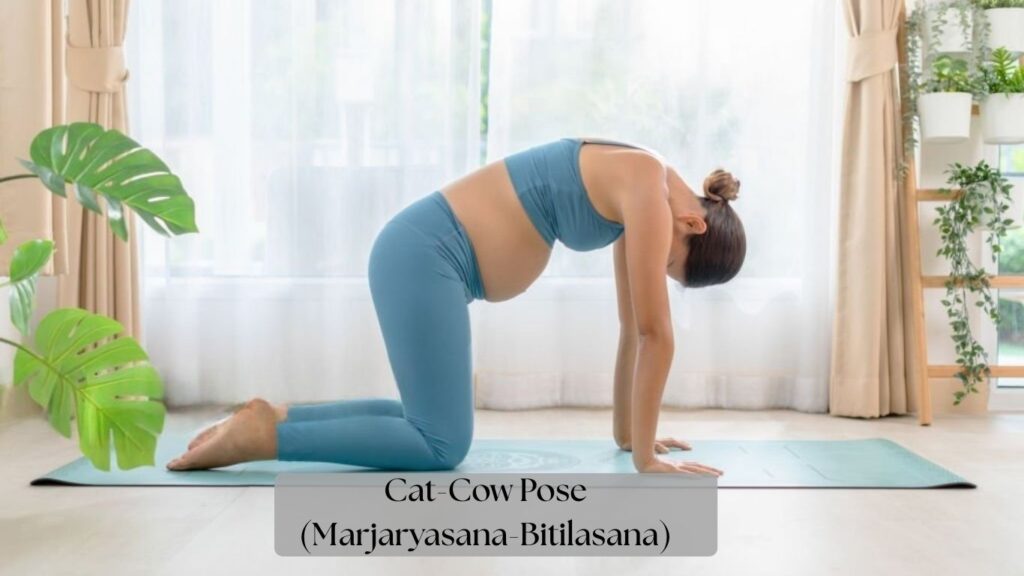
Why it’s safe:
This pose improves spinal mobility and relieves lower back stiffness.
How to do it:
- Come onto hands and knees.
- Inhale, drop belly slightly, lift head and tailbone (Cow).
- Exhale, round spine, and tuck chin (Cat).
- Repeat slowly for 8–10 rounds.
Benefits:
- Reduces back pain
- Improves posture
- Supports digestion
2. Child’s Pose (Balasana)
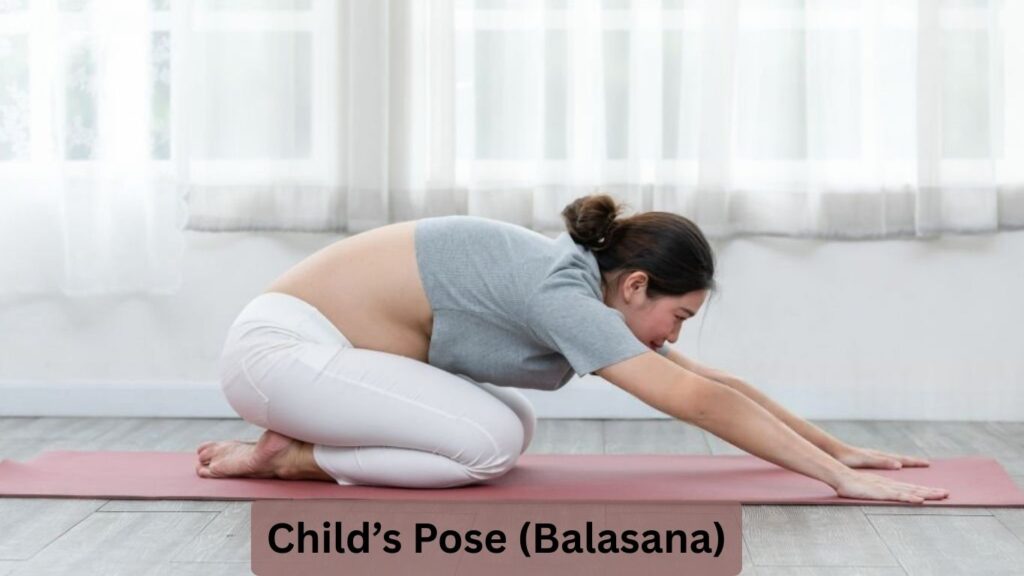
Why it’s safe:
It relaxes the body and reduces stress.
How to do it:
- Kneel on the mat.
- Sit back on your heels.
- Stretch arms forward and rest your forehead on the mat.
- Breathe deeply for 30–60 seconds.
Modification:
If you feel pressure, widen your knees.
Benefits:
- Calms the nervous system
- Relieves fatigue
- Eases hip tension
3. Bound Angle Pose (Baddha Konasana)
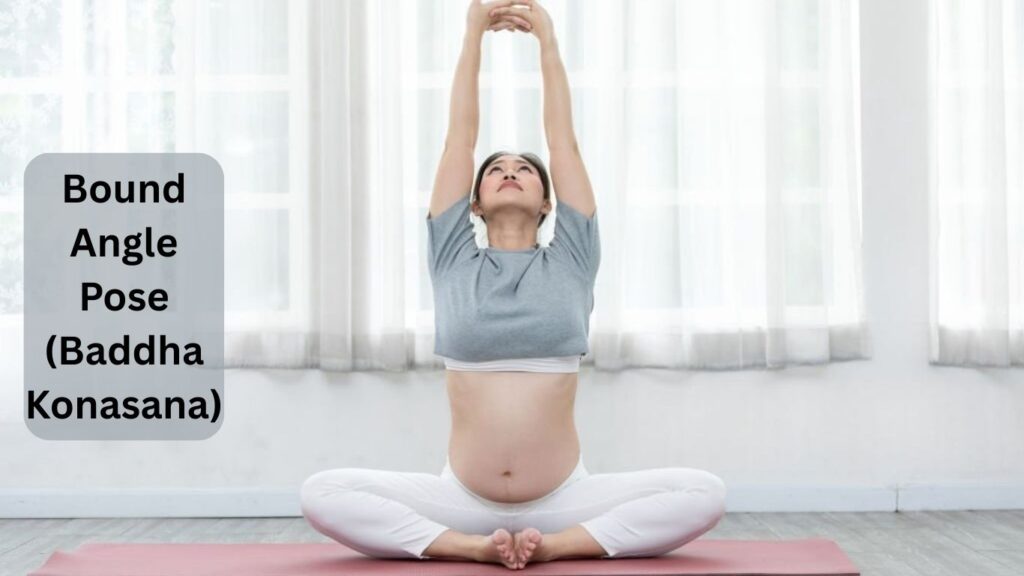
Why it’s safe:
It opens the hips and improves pelvic flexibility.
How to do it:
- Sit tall.
- Bring the soles of the feet together.
- Let knees fall outward.
- Hold ankles and breathe.
Benefits:
- Strengthens the pelvic area
- Improves circulation
- Relieves hip tightness
4. Seated Forward Bend (Modified Paschimottanasana)
Why it’s safe:
Gentle forward bends can calm the mind and stretch the back.
How to do it safely:
- Sit with legs extended.
- Keep knees slightly bent.
- Fold forward slowly without forcing.
- Stop if you feel discomfort.
Benefits:
- Reduces stress
- Stretches spine and hamstrings gently
5. Warrior II Pose (Virabhadrasana II)
Why it’s safe:
It builds strength and balance without compressing the belly.
How to do it:
- Stand with feet wide apart.
- Turn one foot out.
- Bend the front knee slightly.
- Extend arms parallel to the floor.
- Look over the front hand.
Benefits:
- Strengthens legs
- Improves stamina
- Builds balance and confidence
6. Mountain Pose (Tadasana)
Why it’s safe:
It improves posture and helps you connect with your breathing.
How to do it:
- Stand tall with feet hip-width apart.
- Relax your shoulders.
- Engage thighs lightly.
- Breathe slowly.
Benefits:
- Improves posture
- Reduces back strain
- Supports stability
7. Butterfly Pose (Titli Asana)
Why it’s safe:
This is a classic prenatal pose that supports the hips and pelvis.
How to do it:
- Sit comfortably.
- Bring your feet together.
- Move knees gently up and down like wings.
Benefits:
- Improves pelvic flexibility
- Reduces hip stiffness
- Supports delivery preparation
8. Legs Up the Wall Pose (Viparita Karani)
Why it’s safe:
It reduces swelling and improves circulation.
How to do it:
- Sit beside a wall.
- Swing legs up the wall.
- Lie back comfortably.
- Relax for 3–5 minutes.
Benefits:
- Reduces tired legs
- Improves blood flow
- Calms the nervous system
9. Side-Lying Savasana (Pregnancy Relaxation Pose)
Why it’s safe:
Lying flat on the back for long periods is not recommended later in pregnancy, but side-lying relaxation is safe and supportive.
How to do it:
- Lie on your left side.
- Place a pillow between your knees.
- Relax arms and breathe deeply.
Benefits:
- Improves relaxation
- Reduces anxiety
- Helps with better sleep
Yoga Poses to Avoid During the First Trimester
Some poses can create unnecessary pressure or increase risk.
Avoid These:
- Deep backbends (Wheel Pose, Camel Pose)
- Strong twists (Seated spinal twist with deep rotation)
- Intense abdominal work (Boat Pose, Planks held too long)
- Inversions (Headstand, Handstand, Shoulder stand)
- Hot yoga or heated classes
- Jumping movements (fast sun salutations)
- Deep forward folds with compression
- Poses requiring lying flat on the belly (Cobra, Bow pose)
Best Yoga Routine for First Trimester (10–15 Minutes)
If you want a simple daily routine, follow this:
- Mountain Pose – 1 minute
- Cat-Cow Pose – 8 rounds
- Child’s Pose – 1 minute
- Butterfly Pose – 2 minutes
- Warrior II (Both sides) – 30 seconds each side
- Bound Angle Pose – 2 minutes
- Legs Up the Wall Pose – 3 minutes
- Side-Lying Savasana – 2 minutes
This routine keeps your body active without overloading your system.
How Often Should You Do Yoga During Pregnancy?
For most pregnant women, the best schedule is:
- 3 to 5 days per week
- 15 to 30 minutes per session
- Gentle movements with rest breaks
Consistency matters more than intensity.
When to Stop Yoga and Seek Medical Help
Stop yoga immediately and contact your doctor if you experience:
- Vaginal bleeding
- Severe abdominal pain
- Strong cramping
- Dizziness or fainting
- Shortness of breath
- Sudden swelling
- Fluid leakage
Your safety comes first.
Final Thoughts
Yoga during pregnancy, especially in the first trimester, can help you feel calmer, stronger, and more balanced. The key is to practice with awareness, avoid risky poses, and focus on gentle movement and breathing.
If done correctly, prenatal yoga can support both your physical health and emotional well-being during early pregnancy.
Start slow, stay consistent, and listen to your body.
FAQs
Can I do yoga daily in the first trimester?
Yes, gentle yoga can be done daily if your pregnancy is healthy and you avoid strain.
Is the downward dog safe in early pregnancy?
Downward dog is often safe if you already practiced yoga before pregnancy. Beginners should avoid holding it too long.
Can yoga cause miscarriage?
Yoga does not cause miscarriage in a normal pregnancy, but unsafe poses, overheating, and overexertion can increase risk.
Is it safe to do stretching in early pregnancy?
Yes, but avoid deep stretching because pregnancy hormones increase flexibility and injury risk.
What is the best yoga pose for nausea in pregnancy?
Child’s pose, seated breathing, and gentle cat-cow movements can help reduce nausea and improve digestion.