AI-Guided Fitness vs Traditional Yoga: What’s the Real Difference?
Technology is changing the way people work out. From smart fitness apps to AI-powered workout plans, exercise has become more personalized and data-driven than ever before. At the same time, traditional yoga continues to attract people seeking balance, calm, and long-term well-being.
This raises an important question: AI-guided fitness vs traditional yoga—what actually works better?
The answer depends on what you want from your fitness routine.
What Is AI-Guided Fitness?
AI-guided fitness uses artificial intelligence to create workouts based on your body data, goals, and performance. These systems often track movement, heart rate, calories burned, and workout consistency.
Common features include:
- Personalized workout plans
- Real-time feedback on form
- Progress tracking and analytics
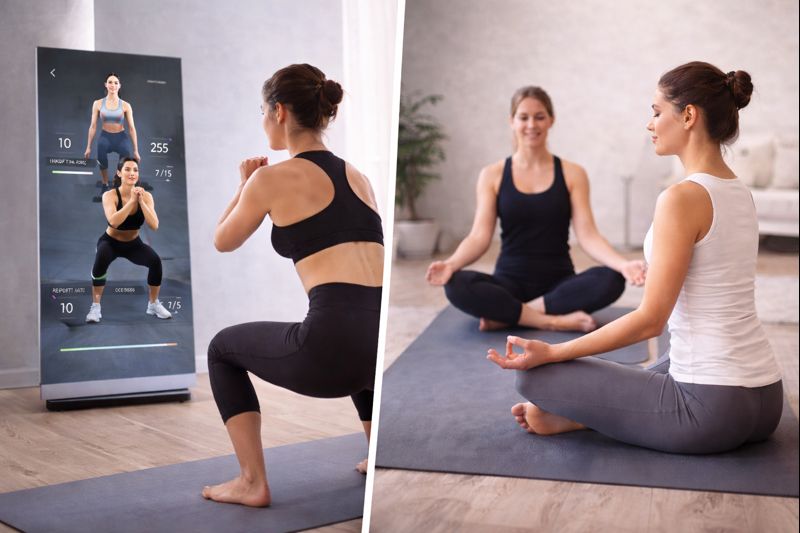
- Home workouts using apps, wearables, or smart mirrors
AI-guided fitness focuses heavily on efficiency, measurable results, and customization.
What Is Traditional Yoga?
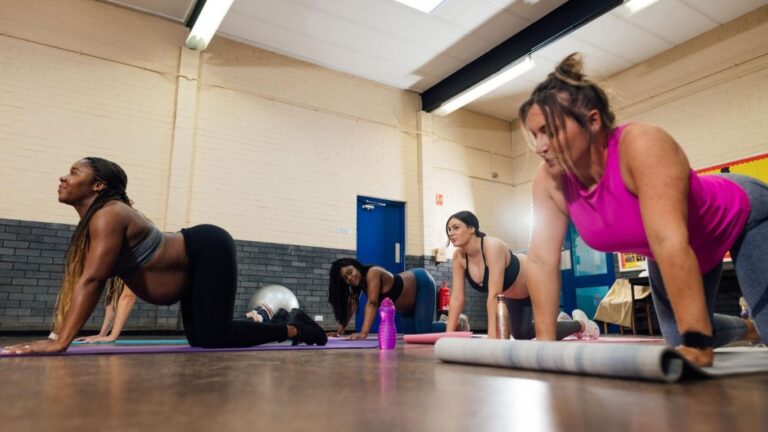
Traditional yoga is a holistic practice that combines physical postures, breathing techniques, and mental awareness. It is not just about physical fitness—it also focuses on emotional balance, mental clarity, and inner calm.
Key elements of traditional yoga include:
- Body awareness and mindful movement
- Breath control and relaxation
- Stress reduction and mental balance
- Long-term physical and emotional health
Yoga relies more on self-awareness and consistency than technology.
AI-Guided Fitness: Strengths and Limitations
Strengths
AI-guided fitness is ideal for people who:
- Want structured, goal-based workouts
- Prefer measurable progress and data
- Have limited time and need quick sessions
- Enjoy technology-driven motivation
It can be especially effective for fat loss, strength building, and performance-focused training.
Limitations
Despite its advantages, AI-guided fitness often lacks emotional and mental depth. It may:
- Feel intense or overwhelming
- Focus more on numbers than body signals
- Increase stress if overused
Without mindful awareness, some users risk burnout or injury.
Traditional Yoga: Strengths and Limitations
Strengths
Traditional yoga works well for people who:
- Want stress relief and mental calm
- Prefer low-impact, joint-friendly movement
- Value long-term health over quick results
- Need emotional balance along with fitness
Yoga improves posture, flexibility, breathing, and mental resilience over time.
Limitations
Yoga may feel slow for people who:
- Want a fast physical transformation
- Prefer high-intensity workouts
- Need external motivation or structure
Results are subtle and build gradually.
Mental Health: A Key Difference
One of the biggest differences between AI-guided fitness and traditional yoga is their effect on mental health.
- AI-guided fitness motivates through goals, reminders, and performance metrics.
- Traditional yoga calms the nervous system, reduces stress hormones, and improves emotional awareness.
If mental clarity and stress relief are priorities, yoga has a clear advantage.
Can AI-Guided Fitness Replace Yoga?
Not completely.
AI-guided fitness can improve physical conditioning, but it cannot fully replace the mindfulness, breath control, and inner awareness developed through yoga. Yoga works on the nervous system and emotional state in ways technology cannot fully replicate.
However, AI-guided fitness can complement yoga very well.
The Best Approach: Combine Both
For many people, the most effective solution is balance:
- Use AI-guided fitness for strength, fat loss, and motivation
- Practice yoga for flexibility, recovery, stress relief, and mental health
This combination supports both physical performance and emotional well-being.
Final Verdict
AI-guided fitness vs traditional yoga is not about choosing a winner—it’s about choosing what fits your lifestyle and goals.
If you want structure, speed, and data-driven progress, AI-guided fitness works well.
If you want calm, balance, and long-term well-being, traditional yoga is unmatched.
For sustainable health, blending technology with mindful movement often delivers the best results.