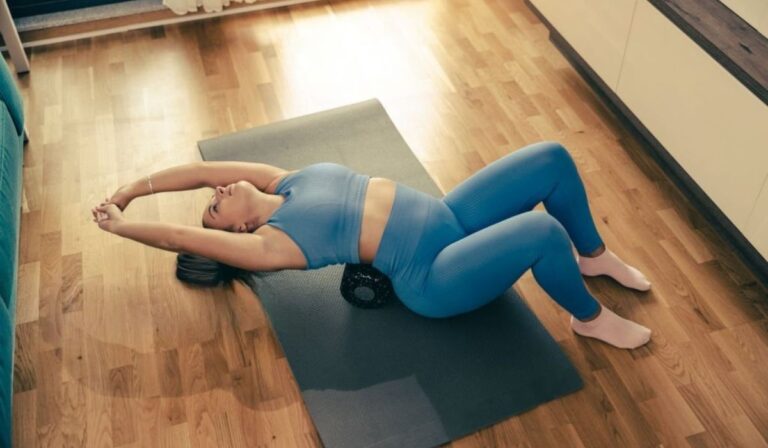
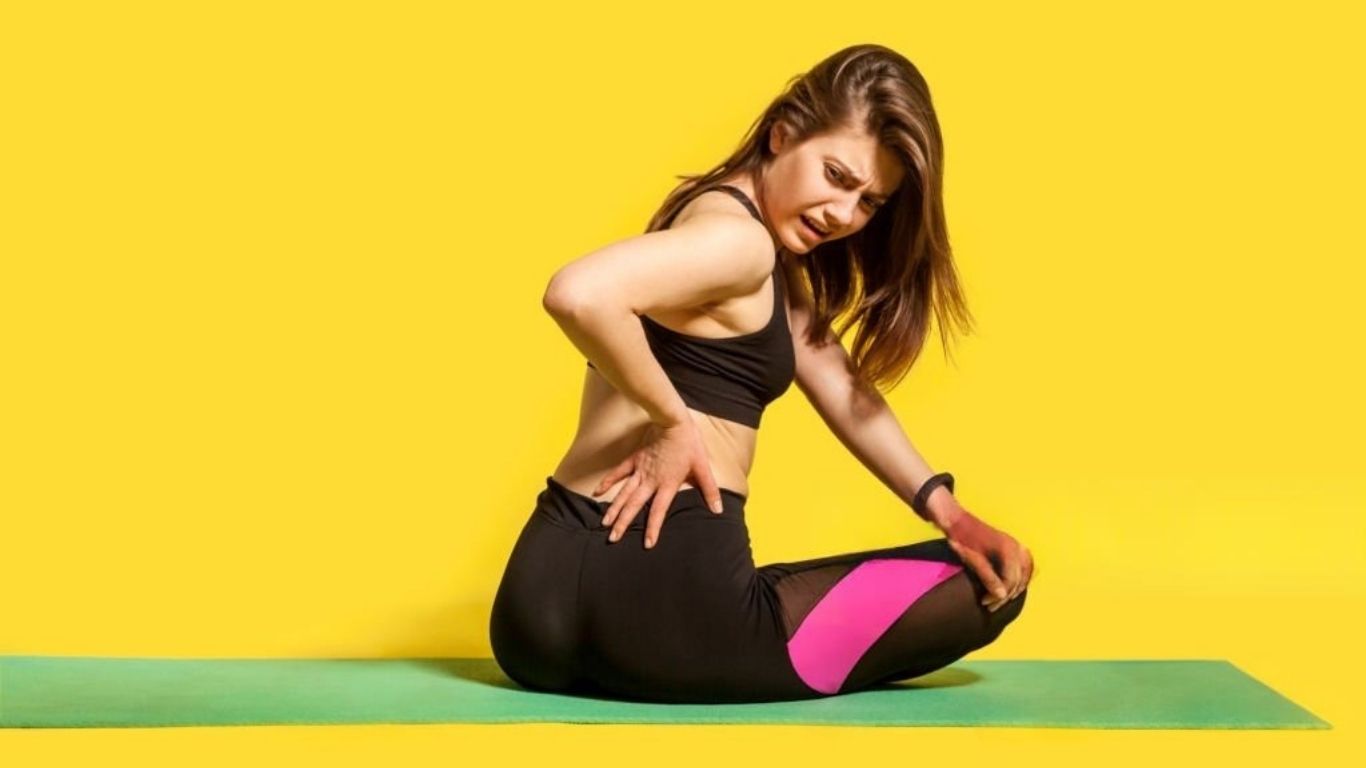
Living With Sciatica Pain Is Physically and Mentally Draining
Sciatica pain is not just regular back pain. It usually starts in the lower back or hips and travels down one leg. For many people, it affects sitting, walking, sleeping, and even simple daily tasks. According to clinical data, sciatica affects up to 40% of people at some point in their lives, most commonly due to a herniated disc, spinal narrowing, or muscle compression around the sciatic nerve.
Painkillers may give short-term relief, but they don’t address the root cause. Surgery is often a last option and not suitable for everyone. This leaves many people stuck—managing pain but not improving mobility or nerve health.
That’s where targeted yoga poses come in.
Why Ignoring Movement Makes Sciatica Worse
When sciatica pain flares up, the natural response is rest. But too much rest can tighten muscles around the hips, glutes, and lower spine. Tight muscles increase pressure on the sciatic nerve, which can worsen pain over time.
A 2017 case study published in the International Journal of Yoga Therapy followed adults with chronic sciatica who practiced gentle yoga three times per week for eight weeks. Results showed:
- 64% reduction in pain scores
- Improved hamstring flexibility
- Better daily function without medication increases
The key takeaway was simple: controlled movement reduced nerve compression and improved blood flow.
Without safe movement, stiffness builds. With the right yoga poses, the body slowly relearns how to move without triggering pain.
Yoga Poses That Help Relieve Sciatica Pain
Below are yoga poses commonly used in physical therapy and rehabilitation programs. These poses focus on loosening tight muscles, improving spinal alignment, and reducing nerve pressure.
1. Seated Spinal Twist (Ardha Matsyendrasana – gentle variation)
This pose improves spinal mobility and releases tension in the lower back.
How it helps:
- Encourages spinal rotation
- Reduces stiffness around lumbar discs
- Improves circulation near the sciatic nerve
How to do it safely:
- Sit tall with legs extended
- Bend one knee and place the foot outside the opposite thigh
- Twist slowly toward the bent knee
- Hold for 15–20 seconds, breathing normally
Avoid forcing the twist. Comfort matters more than depth.
2. Knee-to-Chest Pose (Apanasana)
This pose is often used in rehabilitation settings for lower back pain.
How it helps:
- Gently stretches the lower spine
- Relieves pressure on nerve roots
- Helps reduce muscle guarding
Steps:
- Lie on your back
- Bring one or both knees toward your chest
- Hold for 20–30 seconds
- Repeat 2–3 times
A small clinical observation study found this movement reduced morning stiffness in patients with nerve-related back pain when practiced daily.
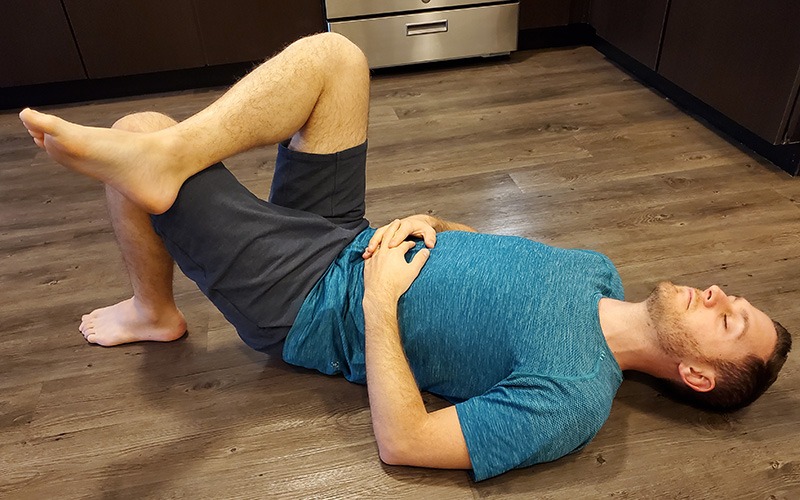
3. Reclining Figure-Four Stretch
This pose targets the piriformis muscle, a common contributor to sciatic nerve compression.
Why it matters:
- A tight piriformis muscle can irritate the sciatic nerve
- Stretching it may reduce radiating leg pain
How to perform:
- Lie on your back
- Cross one ankle over the opposite knee
- Gently pull the supporting leg toward your chest
- Hold for 20 seconds on each side
Stop if you feel sharp pain or numbness.
4. Cat–Cow Pose (Marjaryasana–Bitilasana)
This pose promotes controlled spinal movement and is widely used in back pain programs.
Benefits:
- Improves spinal flexibility
- Encourages fluid movement of the spine
- Reduces stiffness caused by inactivity
How to practice:
- Start on hands and knees
- Inhale, drop the belly slightly
- Exhale, round the back gently
- Move slowly for 6–8 rounds
A 2019 rehabilitation study noted improved spinal mobility and reduced pain sensitivity after consistent spinal mobility exercises like Cat–Cow.
5. Supported Child’s Pose
This resting pose relaxes the lower back and hips.
Why it helps:
- Reduces muscle tension
- Allows the nervous system to calm down
- Encourages gentle spinal stretching
Use a pillow or folded blanket under the hips for support.
How Often Should You Practice?
Based on rehabilitation-based yoga programs:
- 3–5 sessions per week
- 10–20 minutes per session
- Focus on slow, pain-free movement
Consistency matters more than intensity.
Safety Tips You Should Not Ignore
- Avoid deep forward bends during acute pain
- Stop if pain travels further down the leg
- Consult a healthcare provider if pain is severe or worsening
- Yoga should support recovery, not replace medical care
Final Thoughts
Sciatica pain limits movement, confidence, and quality of life. Avoiding movement can make it worse, while the right kind of movement can help the body heal. Evidence-backed yoga poses improve flexibility, reduce nerve pressure, and support long-term pain management.
When practiced safely and consistently, yoga becomes a practical tool—not a quick fix, but a steady path toward better mobility and reduced pain.