Mindful Breathing Exercises: Simple Techniques to Reduce Stress and Improve Focus
Stress has become a daily companion for many people. Constant notifications, busy schedules, and mental overload keep the nervous system in a state of tension. When stress builds up, it affects sleep, focus, digestion, and emotional balance.
The problem is not that we don’t want calm. The problem is we don’t pause.
Mindful breathing exercises offer a practical solution. They are simple, free, and require no equipment. Just a few minutes of intentional breathing can help regulate the nervous system, lower stress hormones, and improve mental clarity.
Let’s explore how mindful breathing works and how you can start today.
What Are Mindful Breathing Exercises?
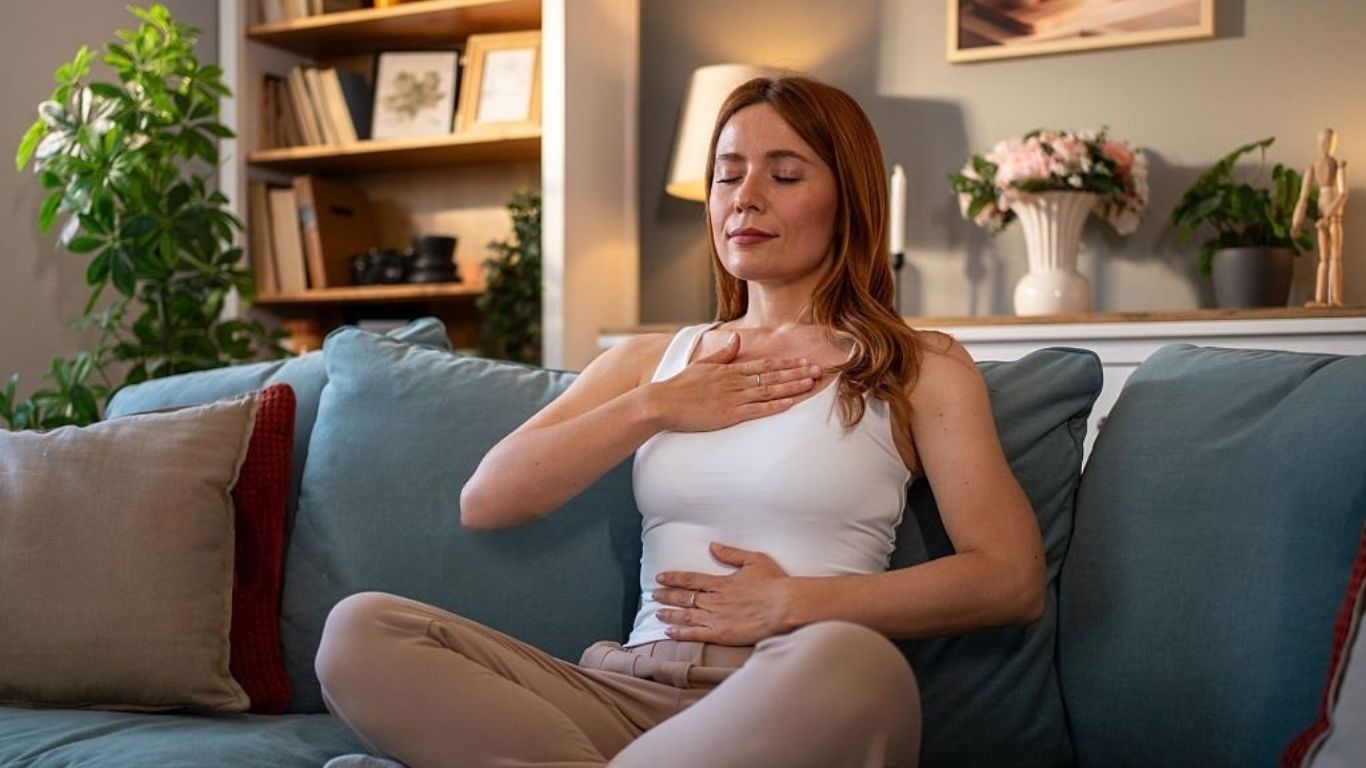
Mindful breathing is the practice of paying attention to your breath without trying to control it forcefully. You observe the inhale and exhale while staying present.
Unlike complex meditation practices, mindful breathing is straightforward. You can practice it:
- At home
- At your desk
- Before sleep
- During stressful moments
It is not about breathing perfectly. It is about breathing consciously.
Why Mindful Breathing Works
When you feel stressed, your body activates the “fight or flight” response. Your breathing becomes shallow and fast. This signals the brain that something is wrong.
Slow, intentional breathing sends the opposite signal. It activates the parasympathetic nervous system — the body’s calming system.
Research shows slow breathing can:
- Lower heart rate
- Reduce blood pressure
- Decrease cortisol levels
- Improve focus
- Support emotional regulation
The breath becomes a direct bridge between the body and mind.
5 Simple Mindful Breathing Exercises
1. 5-Minute Basic Mindful Breathing (For Beginners)
This is perfect if you are just starting.
How to do it:
- Sit comfortably with your back straight.
- Close your eyes or soften your gaze.
- Inhale naturally through your nose.
- Exhale slowly through your nose.
- Focus only on the sensation of breathing.
If your mind wanders, gently bring it back to the breath.
Practice for 5 minutes daily.
2. Box Breathing (For Stress Relief)
This technique is often used for calming acute stress.
Steps:
- Inhale for 4 seconds
- Hold for 4 seconds
- Exhale for 4 seconds
- Hold for 4 seconds
Repeat for 4–6 rounds.
Box breathing helps slow the nervous system and improve emotional control.
3. Breathing (For Sleep)
If you struggle with racing thoughts at night, this method can help.
Steps:
- Inhale for 4 seconds
- Hold for 7 seconds
- Exhale slowly for 8 seconds
Repeat 4 times before bed.
This pattern encourages deep relaxation and prepares the body for sleep.
4. Counting the Breath (For Focus)
Ideal for students and office workers.
How to practice:
- Inhale and mentally count “one.”
- Exhale and count “two.”
- Continue up to ten.
- Start again at one.
If you lose count, simply restart.
This exercise improves concentration and reduces mental distractions.
5. Extended Exhale Breathing (For Anxiety)
Anxiety often makes breathing fast and shallow. This method slows it down.
Steps:
- Inhale for 4 seconds
- Exhale for 6–8 seconds
Make the exhale longer than the inhale.
Longer exhales activate the body’s calming response.
When Should You Practice Mindful Breathing?
You can practice anytime, but these moments are powerful:
- Before an important meeting
- After an argument
- During work breaks
- Before sleep
- First thing in the morning
Even 2 minutes can reset your mental state.
Common Mistakes to Avoid
- Trying to control the breath too much
- Expecting instant results
- Forcing deep breaths aggressively
- Giving up because the mind wanders
Mind wandering is normal. The goal is not a blank mind. The goal is awareness.
How to Build a Daily Habit
If you want long-term benefits, consistency matters more than duration.
Start with:
- 5 minutes per day
- Same time daily
- Quiet environment
You can attach it to an existing habit, like after brushing your teeth or before checking your phone.
Small daily practice leads to noticeable mental changes over time.
Final Thoughts
Mindful breathing exercises are simple but powerful. In a world full of noise, the breath remains constant and accessible.
You don’t need a special room, music, or equipment. You only need awareness.
Start today with 5 minutes. Observe your breath. Notice how your body responds.
Sometimes the most effective solution is the simplest one.