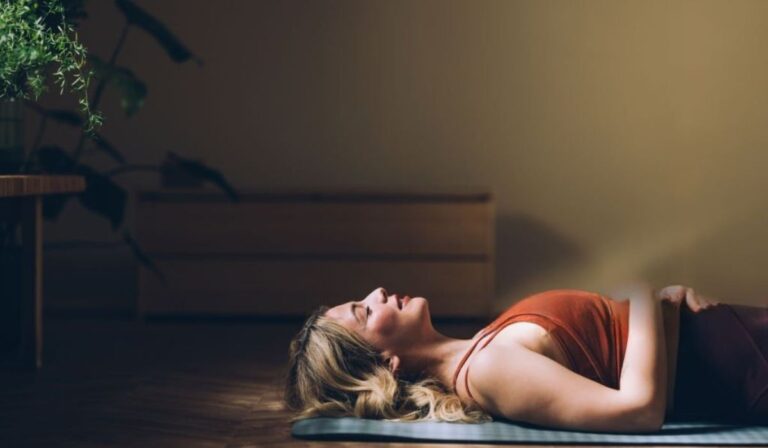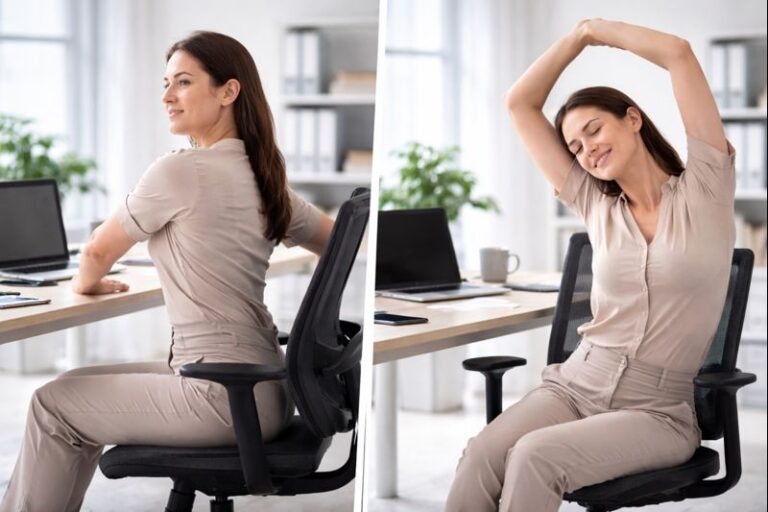

Somatic Breathing Techniques for Stress: A Practical Guide to Regulate Your Nervous System
Stress does not only live in your thoughts. It lives in your body.
You feel it in tight shoulders, shallow breathing, jaw tension, stomach discomfort, and restless sleep. Many people try to “think” their way out of stress, but stress is a physiological response. You must address it through the body.
That is where somatic breathing techniques for stress become powerful.
I started practicing somatic breathwork during a period of high mental overload. Traditional meditation felt difficult because my body stayed tense. When I shifted my focus to body-based breathing, I noticed a measurable difference. My heart rate slowed faster. My muscles relaxed without force. I recovered from stress more quickly.
In this guide, you will learn what somatic breathing is, why it works, and how to practice it effectively at home.
What Are Somatic Breathing Techniques?
The word “somatic” refers to the body. Somatic breathing focuses on body awareness while regulating breath patterns to calm the nervous system.
Unlike basic deep breathing, somatic techniques:
- Emphasize physical sensation
- Release stored tension
- Improve nervous system regulation
- Increase vagal tone
- Support trauma-informed stress relief
Instead of controlling the breath aggressively, you create safe physical signals that tell your body it can relax.
Why Somatic Breathing Works for Stress
When stress activates the fight-or-flight response, the body:
- Increases heart rate
- Tightens muscles
- Shortens breathing
- Reduces digestion
- Raises cortisol
Somatic breathing reverses this response by stimulating the parasympathetic nervous system.
In my experience, the biggest shift came when I focused on slow, extended exhales and physical awareness rather than trying to breathe “perfectly.” The body responded faster than the mind.
Breathing influences heart rate variability (HRV), oxygen exchange, and vagus nerve activity. When practiced consistently, it improves resilience to daily stress.
7 Effective Somatic Breathing Techniques for Stress
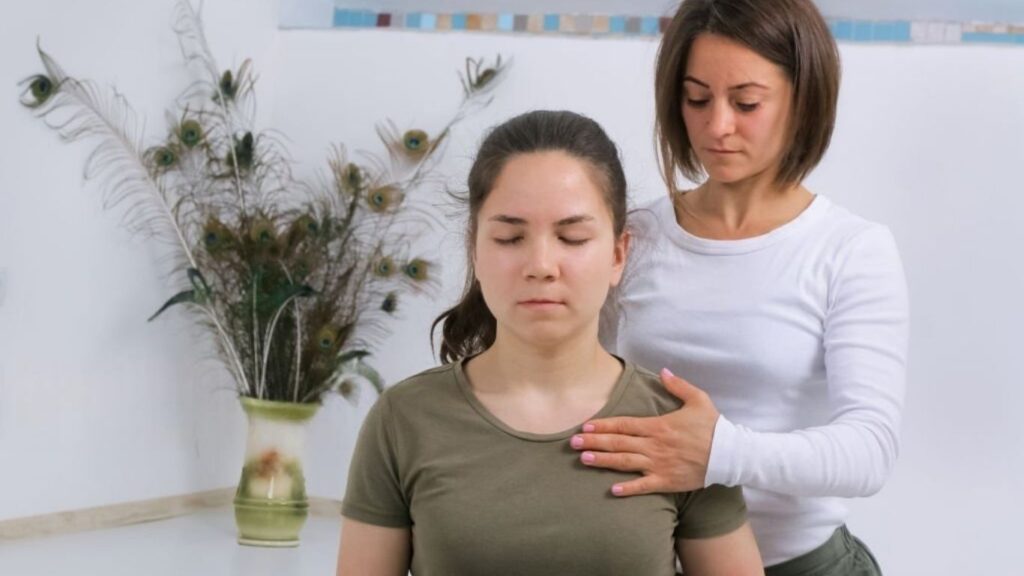
These techniques are simple, safe, and practical. You can practice them at home without equipment.
1. Extended Exhale Breathing
This technique activates the calming response quickly.
How to Practice:
- Inhale through the nose for 4 seconds
- Exhale slowly for 6–8 seconds
- Continue for 5 minutes
Focus on relaxing your shoulders during the exhale.
I use this technique before sleep and after intense work sessions. It consistently reduces physical tension.
2. Diaphragmatic Belly Breathing
Stress causes chest breathing. Somatic regulation requires diaphragmatic breathing.
Steps:
- Place one hand on your chest
- Place one hand on your belly
- Inhale and allow your belly to expand
- Keep your chest stable
- Exhale slowly
Practice for 5–10 minutes.
Within one week of daily practice, I noticed fewer tension headaches and improved digestion.
3. Grounded Breath with Body Scan
This technique combines breathing with body awareness.
How to Do It:
- Sit or lie down comfortably
- Inhale slowly
- As you exhale, scan your body for tension
- Consciously release tight areas
Move attention from head to toes.
This method builds awareness of where you hold stress physically.
4. Humming Breath
The vagus nerve responds to vibration.
Practice:
- Inhale deeply
- Exhale while humming softly
- Feel vibration in the chest and throat
- Repeat 8–10 times
This technique creates a grounding effect. I often recommend it to people who feel anxious before presentations.
5. 4-7-8 Breathing Pattern
This structured breathing pattern regulates the nervous system.
Steps:
- Inhale for 4 seconds
- Hold for 7 seconds
- Exhale for 8 seconds
Repeat four rounds.
Use it when stress disrupts sleep or emotional balance.
6. Coherent Breathing
Coherent breathing balances inhale and exhale.
Pattern:
- Inhale for 5 seconds
- Exhale for 5 seconds
Continue for 5 minutes.
This rhythm supports heart rate variability and emotional stability.
7. Shake and Reset Breath
Stress energy sometimes needs movement.
Practice:
- Stand up
- Shake your arms and legs gently
- Take deep breaths
- Exhale forcefully through the mouth
This method helps discharge built-up physical tension.
I personally use this technique after long sitting periods. It resets both energy and focus.
Signs Somatic Breathing Is Working
You may notice:
- Slower heart rate
- Warmth in the chest or abdomen
- Reduced muscle tightness
- Clearer thinking
- Emotional steadiness
These are positive signs of nervous system regulation.
How to Build a Daily Somatic Breathing Routine
Consistency matters more than intensity.
Start with:
- 5 minutes in the morning
- 5 minutes before bed
Attach the habit to existing routines. Practice after brushing your teeth or before checking your phone.
Within 2–3 weeks, you may experience noticeable improvements in stress tolerance.
Common Mistakes to Avoid
- Forcing deep breaths aggressively
- Holding breath beyond comfort
- Expecting instant transformation
- Practicing only during a crisis
Somatic breathing trains the body gradually.
Breathing Techniques for Stress?
These techniques support individuals who experience:
- Chronic stress
- Anxiety symptoms
- Poor sleep
- Emotional reactivity
- Physical tension
If you have cardiovascular or respiratory conditions, consult a healthcare professional before starting structured breath retention practices.
Final Thoughts
Stress is not only a mental issue. It is a nervous system response.
Somatic breathing techniques for stress work because they address the body directly. When you regulate your breath with awareness, you send a powerful message of safety to your brain.
You do not need complicated tools. You need consistency.
Start small. Practice daily. Allow your body to relearn calm.
FAQs
1. What are somatic breathing techniques for stress?
Somatic breathing techniques for stress are body-focused breathing methods that regulate the nervous system. They combine controlled breathing with physical awareness to reduce tension, improve emotional balance, and activate the parasympathetic response.
2. How do somatic breathing exercises reduce stress?
Somatic breathing exercises reduce stress by slowing the heart rate, lowering cortisol levels, and stimulating the vagus nerve. Extended exhales and diaphragmatic breathing send signals of safety to the brain, helping the body exit fight-or-flight mode.
3. How long should I practice somatic breathing each day?
You can practice somatic breathing for 5 to 10 minutes daily. Consistency matters more than duration. Regular short sessions improve stress resilience over time.