Vagus Nerve Breathing Exercises at Home: A Practical Guide to Calm Your Nervous System Naturally
Modern stress is not just mental. It lives in the body.
Tight chest. Shallow breathing. Racing heart. Poor sleep. Digestive discomfort. These are not random symptoms. They often signal an overstimulated nervous system.
This is where vagus nerve breathing exercises at home can make a real difference.
I have personally practiced breathwork consistently for years, and the biggest shift did not come from complicated techniques. It came from learning how to stimulate the vagus nerve through simple breathing patterns. The results were practical: better sleep, steadier focus, and faster recovery from stress.
In this guide, you will learn what the vagus nerve does, why it matters, and exactly how to activate it safely at home.
What Is the Vagus Nerve?
The vagus nerve is the longest cranial nerve in the body. It connects the brain to major organs, including the heart, lungs, and digestive tract.
It plays a key role in the parasympathetic nervous system — often called the “rest and digest” system.
When the vagus nerve functions well, your body can:
- Lower heart rate efficiently
- Regulate digestion
- Recover from stress faster
- Maintain emotional balance
When vagal tone is low, stress lingers longer than it should.
Breathing is one of the fastest ways to influence this nerve directly.
Why Breathing Activates the Vagus Nerve
Slow, controlled breathing increases vagal tone by:
- Extending the exhale
- Slowing heart rate
- Improving heart rate variability (HRV)
- Reducing cortisol levels
In my own practice, I noticed that longer exhales created a clear physical shift. My shoulders relaxed automatically. My jaw softened. My thoughts slowed down.
This response is not psychological imagination. It is a physiological regulation.
5 Effective Vagus Nerve Breathing Exercises at Home
These exercises require no equipment. You can practice them in your bedroom, office, or even in your car before entering a stressful situation.
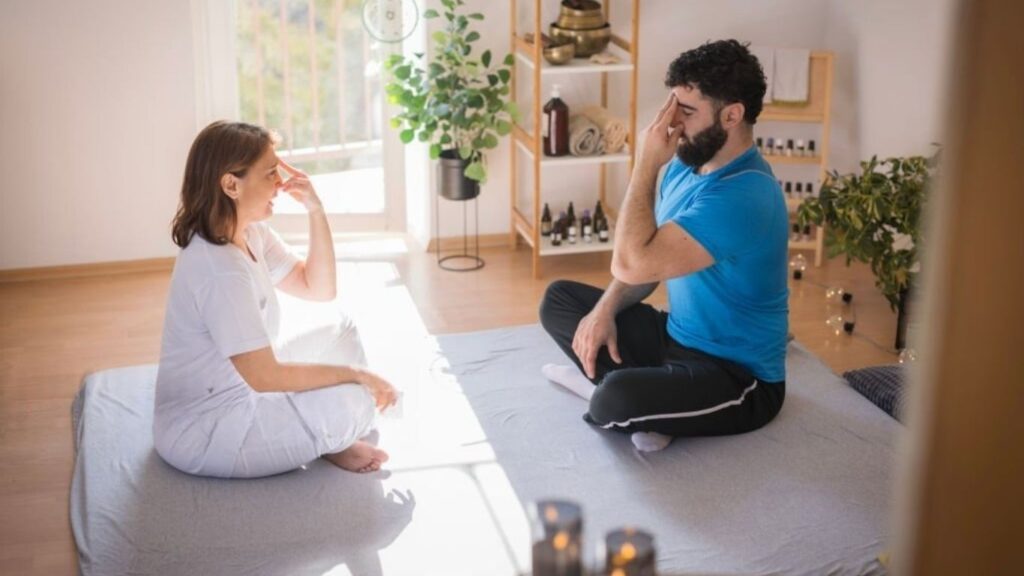
1. Extended Exhale Breathing
This is the simplest and most powerful method.
How to Do It:
- Inhale through your nose for 4 seconds
- Exhale slowly through your nose for 6–8 seconds
- Repeat for 5 minutes
Focus on making the exhale longer than the inhale.
Why it works: A longer exhale directly stimulates the vagus nerve and signals safety to the brain.
I recommend this to beginners because it produces noticeable calm within minutes.
2. Humming Breath (Vagus Nerve Vibration)
The vagus nerve runs near the vocal cords. Gentle humming stimulates it through vibration.
Steps:
- Inhale deeply through the nose
- Exhale while humming softly
- Feel the vibration in your throat and chest
- Repeat for 8–10 rounds
This technique feels subtle but grounding. I often use it before sleep because it relaxes both the throat and mind.
3. Box Breathing with Soft Focus
Although structured, box breathing can also support vagal tone when practiced gently.
Pattern:
- Inhale 4 seconds
- Hold 4 seconds
- Exhale 4 seconds
- Hold 4 seconds
Repeat 4–6 rounds.
Avoid forcing the holds. Keep the breath smooth.
I use this method before high-pressure tasks because it restores emotional control quickly.
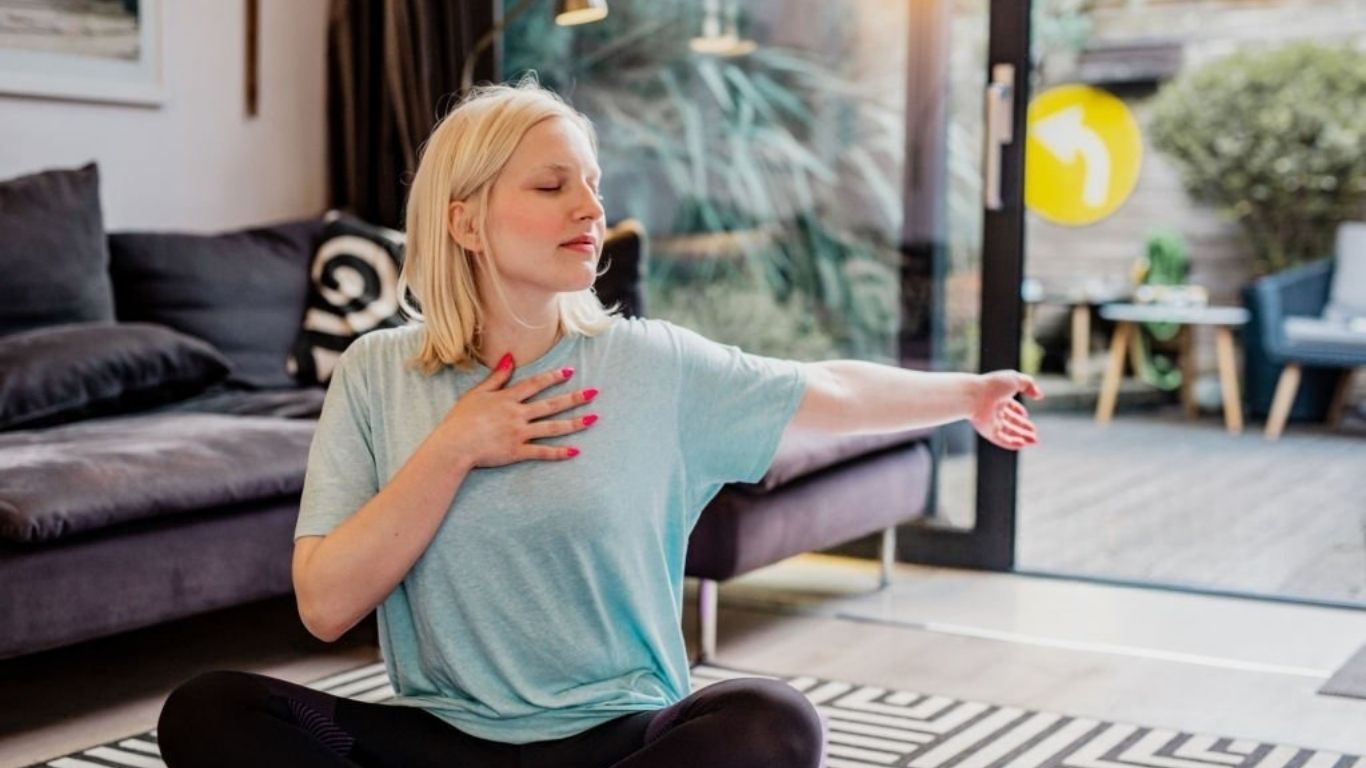
4. Diaphragmatic Belly Breathing
Shallow chest breathing limits vagal activation. Deep diaphragmatic breathing enhances it.
Practice:
- Place one hand on your chest
- Place one hand on your belly
- Inhale and allow the belly to expand
- Keep the chest relatively still
- Exhale slowly
Practice for 5–10 minutes.
When I first tried this consistently, I realized how shallow my normal breathing had been. Within a week, my sleep improved.
5. Breathing for Deep Relaxation
This pattern increases parasympathetic activity.
Steps:
- Inhale 4 seconds
- Hold 7 seconds
- Exhale 8 seconds
Repeat 4 times.
Use this technique at night or after intense emotional stress.
Signs Your Vagus Nerve Is Responding
You may notice:
- Slower heart rate
- Warm sensation in the chest or stomach
- Reduced muscle tension
- Clearer thinking
- Emotional steadiness
These signs indicate improved nervous system regulation.
How to Build a Daily Vagus Nerve Breathing Routine
Consistency improves vagal tone over time.
Start with:
- 5 minutes in the morning
- 5 minutes before sleep
You do not need 30-minute sessions. Short, daily practice creates measurable results.
Attach it to an existing habit, like after brushing your teeth.
Common Mistakes to Avoid
- Forcing deep breaths aggressively
- Holding breath too long
- Practicing only during a crisis
- Expecting instant transformation
Breathwork is a skill. The nervous system responds best to repetition.
Who Should Practice Vagus Nerve Breathing Exercises at Home?
These techniques help people who experience:
- Chronic stress
- Anxiety
- Poor sleep
- Digestive discomfort
- Emotional reactivity
However, if you have respiratory or cardiac conditions, consult a healthcare professional before starting structured breath retention techniques.
Final Thoughts
You do not need expensive tools or complicated programs to regulate your nervous system.
You already have access to the most powerful tool — your breath.
When practiced consistently, vagus nerve breathing exercises at home improve resilience, emotional balance, and overall well-being.
Start small. Stay consistent. Let your nervous system relearn safety.