
Why Chair Yoga Is the Safest Way to Restart Movement After Surgery
Recovering from surgery can feel like stepping into an entirely new version of your body. Movements that once felt effortless suddenly feel intimidating, and even simple tasks—like standing, reaching, or bending—may come with discomfort or hesitation. This is where chair yoga becomes a gentle, supportive bridge between rest and full mobility. Unlike traditional yoga, chair yoga removes the need to support your full body weight, making it the safest entry point for movement after procedures that affect strength, balance, or flexibility.
What makes chair yoga particularly valuable is that it allows you to experience the benefits of yoga—breathwork, gentle stretching, improved circulation, and stress reduction—without putting strain on surgical sites. The chair acts like a steady, reliable partner that provides stability while your body relearns how to move comfortably. This support reduces the risk of falls, overstretching, or triggering pain. Even better, nearly anyone can do it, whether you’re recovering from knee surgery, abdominal surgery, hip replacement, or even upper-body procedures.
Post-Surgery Recovery
Recovery after surgery is often more complex than people expect, and understanding what your body is going through can help you approach chair yoga with confidence and patience. Right after a surgical procedure, your body enters a highly protective state. Muscles may stiffen as a natural response to trauma, swelling can limit mobility, and pain signals may intensify when you attempt movements that once felt effortless. This stiffness isn’t a sign of weakness—it’s your body’s way of guarding the area so healing can occur safely. Unfortunately, when stiffness lasts too long, it becomes harder to move comfortably, which is why gentle, supported movement like chair yoga plays such an important role.
Another factor is the effect of anesthesia and prolonged immobility. Whether you were under general anesthesia for hours or received a regional block, the aftermath can leave you feeling groggy, uncoordinated, or disconnected from your body. Meanwhile, lying in a hospital bed or resting for long periods after surgery causes joints to stiffen and muscles to lose tone. Even if you feel mentally ready to move, your body may respond with soreness or resistance. Starting with small, measured movement—such as the kind done in chair yoga—helps your nervous system “wake up” and reestablish mobility without overwhelming it.
Inflammation is also part of healing, but too much inflammation can restrict movement and increase discomfort. Gentle chair yoga helps improve circulation, bringing fresh oxygenated blood to tissues while helping reduce fluid buildup. It also encourages lymphatic flow, which supports detoxification and decreases swelling. These benefits are especially helpful for individuals recovering from surgeries involving the joints, abdomen, or spine.
Emotionally, recovery can feel like a rollercoaster. Many people experience frustration at their temporary limitations, anxiety about healing timelines, or fear of reinjury. These feelings are normal—and chair yoga helps address them. The slow, intentional nature of the movements encourages mindfulness, which reduces stress and promotes a positive mindset around healing.
By understanding these physical and emotional components of recovery, you can approach chair yoga with realistic expectations and a deeper sense of self-compassion. Remember, recovery is not linear. Some days will be slower, others more fluid. Chair yoga becomes a stabilizing anchor in that process—helping your body and mind reconnect safely, gradually, and gently.
What to Ask Your Doctor Before Beginning Chair Yoga
Before starting chair yoga after surgery, getting medical clearance is essential. Every surgery is unique, and even people who undergo the same procedure may recover at different speeds. The first and most important question to ask your doctor is: “When is it safe to start gentle seated movement?” Some surgeries allow mobility within days, while others require weeks of healing before regular movement begins. Understanding your specific timeline helps prevent setbacks and ensures your practice supports your recovery instead of interfering with it.
Ask your surgeon if there are movement restrictions you should follow. For example, after knee or hip surgery, you may need to avoid crossing your legs or twisting in certain ways. After abdominal surgery, you will need to avoid forward bending that compresses internal tissues too early. After shoulder or upper-body surgery, lifting the arms above a certain height might be restricted. Knowing these limits helps you choose the right modifications and keeps you from accidentally straining healing tissues.
Another important question is: “What are the warning signs that I’m doing too much?” Your doctor may tell you specific symptoms to watch for, such as redness around the surgical site, increased swelling, sudden sharp pain, or heat in the area. Learning these red flags helps you adjust your practice safely.
If you had a surgery involving stitches, staples, or internal sutures, ask when gentle stretching becomes appropriate. Many surgeons recommend avoiding anything that pulls too much on the incision for the first few weeks. It’s also essential to ask about breathing restrictions, especially if you’ve had chest or abdominal procedures.
Finally, discuss your goals with your doctor. Whether you want to improve mobility, reduce stiffness, or manage anxiety, your surgeon or physical therapist can give you personalized advice. Their guidance ensures your chair yoga practice is not only safe but perfectly aligned with your healing timeline.
Benefits of Chair Yoga After Surgery
Chair yoga offers a powerful combination of physical and emotional benefits that support the recovery journey in a gentle, manageable way. One of the most immediate benefits is improved circulation. After surgery, your body naturally becomes less active, and reduced movement can slow blood flow. This can increase stiffness, prolong swelling, and even raise the risk of complications like blood clots. Chair yoga encourages slow, controlled movement that boosts circulation without placing stress on the healing area. Even something as simple as ankle circles or seated leg lifts can stimulate blood flow in a way that promotes faster and safer healing.
Another major benefit is reduced stiffness, which is one of the most common complaints after surgery. Muscles tense up to protect surgical sites, and joints become stiff simply from lack of use. Chair yoga gently introduces mobility back into the body, helping joints regain range of motion without forcing deep stretches or risky movements. The chair acts as a stable base, allowing you to focus on tuning into your body rather than worrying about balance or overstraining.
Chair yoga also helps reduce pain and inflammation. Gentle, repetitive movement increases synovial fluid in the joints, which helps decrease discomfort. Breathwork used in chair yoga activates the parasympathetic nervous system, which reduces pain responses and promotes relaxation. Many people are surprised at how quickly their pain levels improve simply by incorporating 5–10 minutes of mindful movement each day.
Emotionally, chair yoga is a game-changer. Recovery can feel isolating, especially when you’re limited in what you can do physically. Movement becomes more than just exercise—it becomes a way to reconnect with your body after trauma. Many patients experience anxiety, fear of movement, or frustration over slow progress. Chair yoga’s slow pace, focus on breath, and supported structure help ease these emotions. It promotes clarity, reduces stress hormones, and gives you a sense of control over your healing.
Finally, chair yoga supports long-term rehabilitation. By gently strengthening muscles, restoring posture, and encouraging proper alignment, it prepares your body to transition into more active movement as healing progresses. In many cases, patients who start chair yoga early experience smoother physical therapy outcomes and regain function faster than those who remain inactive for too long.
Safety Guidelines for Chair Yoga During Recovery
Safety is the most important part of beginning chair yoga after surgery, and keeping a few key guidelines in mind can help ensure your practice supports your healing rather than interfering with it. The first safety rule is never to push through pain. There is a big difference between mild discomfort—which is normal during healing—and sharp, burning, or pulling pain. Anything that feels like it strains the incision, causes swelling, or makes breathing difficult is a sign to stop immediately. Your body is still repairing tissues, and pain is its communication tool.
Next, focus on your breathing. Proper breathwork keeps your nervous system calm and improves oxygen flow to healing tissues. Avoid holding your breath during any movement, especially after abdominal or chest surgery. Instead, inhale gently through the nose and exhale slowly through the mouth. If a movement restricts your ability to breathe comfortably, modify or skip it.
Posture is another major safety component. Sit tall with your weight balanced evenly on both hips. Avoid slumping, as poor posture can strain the back, shoulders, and abdominal area. Keeping your spine aligned helps protect the surgical site and ensures your muscles engage correctly.
The type of chair you use also matters. Choose a stable, sturdy, straight-backed chair without wheels. Feet should touch the floor fully. If not, use blocks or books for support. Avoid soft chairs or sofas, which cause the body to sink and strain healing areas.
The pace of your practice is equally important. Start with short sessions—5 to 10 minutes—and slowly progress as your stamina improves. Fatigue is normal after surgery, and overexertion can delay healing. Hydrate before and after your practice, and allow rest between movements if needed.
Step-by-Step Chair Yoga Routine (Beginner-Friendly)
Starting chair yoga after surgery should feel safe, slow, and deeply supportive. Think of this routine as a gentle invitation for your body to move again—without pressure, without strain, and without the fear of reinjury. Every movement should be calm, steady, and paired with relaxed breathing. Move through the steps at your own pace. Some days you may only feel comfortable doing a few exercises, and that’s perfectly fine. Recovery is not a race; it’s a conversation between you and your healing body.
1. Deep Diaphragmatic Breathing
Start by sitting tall, feet flat on the ground. Rest one hand on your belly and the other on your chest. Inhale slowly through the nose, letting the belly rise; exhale gently through the mouth. Do this for 6–8 breaths. This helps regulate your nervous system and prepares your muscles for safe movement.
2. Neck Stretches

Lower your right ear toward your right shoulder without lifting the shoulder. Hold for a slow breath, then switch. This releases built-up tension from lying in bed or sitting for long periods.
3. Shoulder Rolls
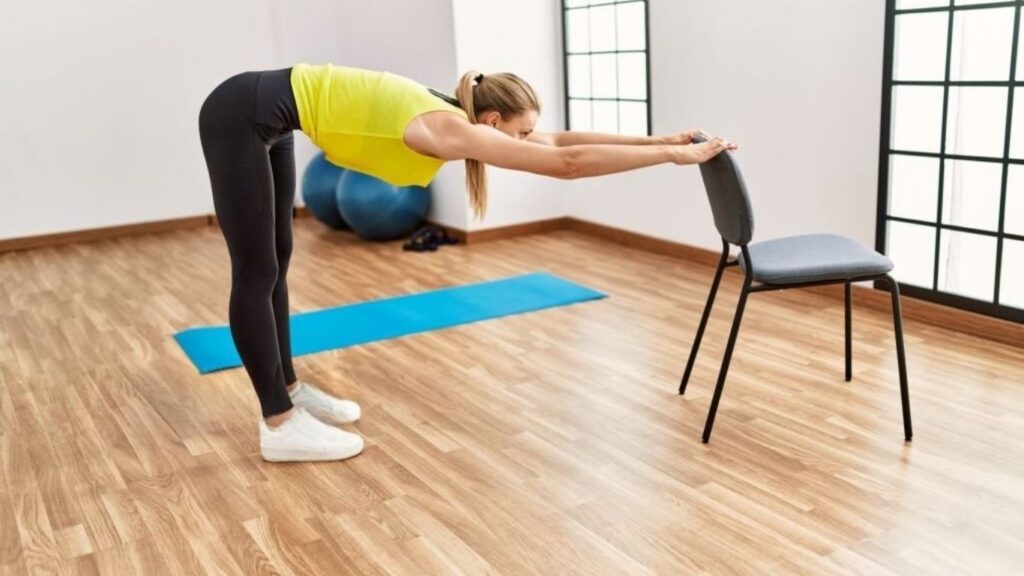
Lift your shoulders, roll them back, and down. Repeat 8–10 times. This lubricates the shoulder joints and relieves upper-body stiffness.
4. Seated Cat–Cow
Place your hands on your knees. Inhale as you arch your back and open your chest. Exhale as you round your spine gently. This improves spinal mobility safely—even after back or abdominal surgery, if done slowly.
5. Seated Side Stretch
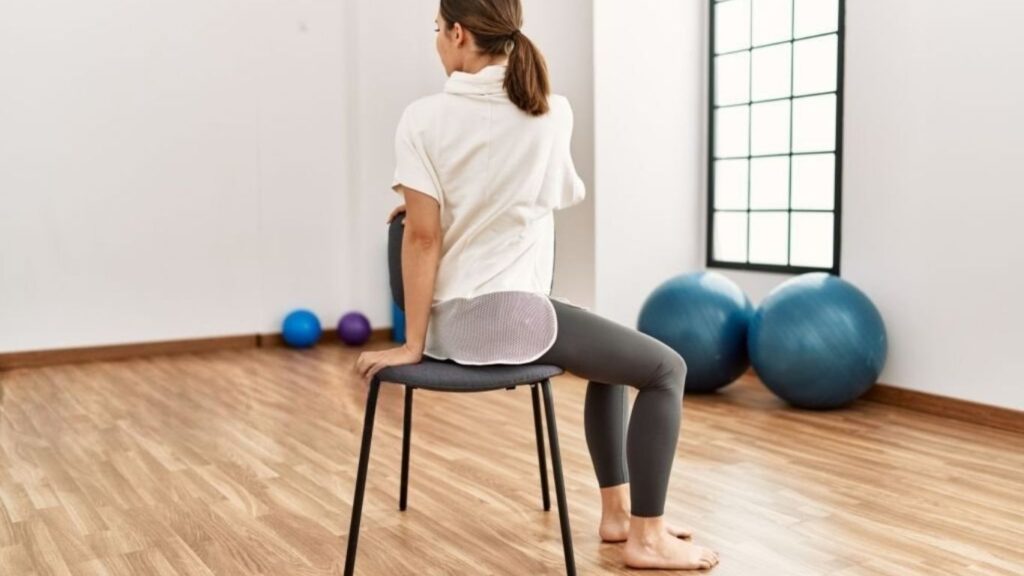
Place your left hand on the seat and lift your right arm overhead, leaning gently to the left. Hold for one breath and switch. This lengthens the ribs and reduces tension from shallow breathing.
6. Gentle Seated Twist
Hold the side of the chair and rotate from your upper back—not your waist. This improves mobility without compressing surgical areas.
7. Leg Lifts

Extend one leg forward and lift slowly, then lower. Repeat 6–8 times per side. Great for knee recovery, hip strengthening, and circulation.
8. Ankle Circles
Lift one foot and rotate the ankle slowly. This is crucial after leg or foot surgery to prevent stiffness and improve blood flow.
9. Supported Forward Fold
Slide your hands down your thighs while hinging slightly at the hips. Keep the movement small. This releases back tension without straining incisions.
10. Seated Relaxation
Lean back with support, close your eyes, and breathe deeply for 30–60 seconds. Let your body settle and absorb the benefits.

This routine can be done daily and adjusted based on your comfort, pain level, and doctor’s recommendations.
Modifications Based on Surgery Type
Not all surgeries require the same precautions, so modifying chair yoga based on your specific procedure is essential. Each surgery affects mobility differently, and knowing how to adjust movements keeps you safe while still gaining the benefits of gentle activity.
Knee Surgery Modifications
If you’ve had knee replacement, ACL repair, or arthroscopy, avoid deep bends or crossing the legs. Focus on leg lifts, ankle circles, and gentle knee extensions. Start with small movements and gradually increase range as swelling decreases. Keep the knee supported and avoid twisting motions.
Hip Surgery Modifications
After hip replacement or hip arthroscopy, avoid crossing your legs, leaning too far forward, or rotating your hip inward. Keep all leg movements slow and controlled. Use a pillow under the thighs if needed to avoid strain.
Abdominal Surgery Modifications
For hernia repair, C-section, gallbladder surgery, or any abdominal procedure, avoid forward folds that compress the belly and avoid twisting too deeply. Use a pillow for support behind the lower back. Prioritize breathing, gentle neck and shoulder work, and minimal core engagement.
Back or Spinal Surgery Modifications
Avoid rounding the spine too much during seated cat–cow. Keep movements small and hinge at the hips instead of bending the spine dramatically. Use extra cushions for support and focus on posture-based exercises.
Shoulder/Arm Surgery Modifications
Keep arm movements within your pain-free range. Avoid lifting arms overhead if your surgeon hasn’t cleared you. Focus instead on wrist, elbow, and gentle neck stretches.
These modifications ensure your chair yoga practice matches your healing timeline and supports your recovery safely.
Conclusion
Starting chair yoga after surgery is one of the most empowering steps you can take to support your healing. Whether you’re recovering from abdominal surgery, joint surgery, or a more complex procedure, gentle movement helps restore mobility, reduce stiffness, improve circulation, and lift your mood. The beauty of chair yoga is its adaptability—you can practice it in your living room, hospital bed, or rehabilitation center, using nothing more than a sturdy chair and a few minutes of your time.
What matters most is approaching your practice with intention, patience, and a deep respect for your healing body. Every breath you take helps regulate your nervous system. Every gentle stretch helps maintain mobility. Every slow movement helps rebuild strength in a safe, supported way. Recovery is not about pushing yourself to the limit; it’s about giving your body what it needs, moment by moment.
Remember that consistency is more valuable than intensity. Even five minutes of mindful chair yoga can create meaningful improvements when practiced regularly. And as you grow stronger, you can gradually increase your routine, exploring new movements and deeper stretches with confidence.
Above all, embrace this time as an opportunity to reconnect with your body. Healing is not just physical—it’s emotional and mental, too. Let chair yoga become a quiet sanctuary where you breathe, release tension, and trust the process of recovery.
Your body is healing.
Your strength is returning.
And every gentle movement brings you one step closer to feeling whole again.
FAQs
1. Is chair yoga safe right after surgery?
Yes, but only when your surgeon clears you for gentle movement. Always start slowly and avoid any pose that creates pain or strain on the surgical site.
2. How long after surgery should I wait before starting chair yoga?
This depends on your procedure. Some people can begin within days; others need weeks. Follow your doctor’s timeline and begin with simple breathing and mobility exercises.
3. Can chair yoga help reduce swelling?
Absolutely. Gentle movement improves circulation, which reduces fluid retention and swelling—especially in the legs and feet.
4. Do I need special yoga equipment?
Not at all. A sturdy chair, comfortable clothing, and a calm space are enough. Optional props like a pillow or strap can help support your practice.
5. How will I know if I’m doing too much?
Stop immediately if you feel sharp pain, incision pulling, increased swelling, dizziness, or shortness of breath. These signs mean your body needs rest or adjustment.