Yoga for Immune Boost: A Gentle At-Home Sequence to Support Your Body Naturally
When life gets stressful, sleep gets shorter, and your schedule gets packed, your immune system often takes the hit first. You may notice you’re getting tired more often, catching seasonal colds, or feeling “low energy” for no clear reason.
The good news? You don’t need intense workouts or complicated routines to support your immune health.
A gentle yoga sequence done at home can help your body in powerful ways—by reducing stress hormones, improving circulation, supporting lymphatic flow, and helping you breathe better.
In this article, you’ll learn a beginner-friendly yoga sequence for an immune boost you can do in just 15–25 minutes.
Can Yoga Really Help Boost Immunity?
Yoga doesn’t “magically” prevent illness, but research shows it can support immune function indirectly through key systems in the body.
Yoga supports immunity by helping:
- Lower stress and cortisol levels
- Improve sleep quality
- Increase blood circulation
- Stimulate lymph flow (your body’s detox pathway)
- Support digestion and gut health (where much of immunity starts)
- Enhance lung function through breathing exercises
Chronic stress is linked to weakened immune response. Yoga is one of the most effective natural ways to calm the nervous system, which helps your body recover and regulate itself.
Best Time to Do Yoga for an Immune Boost
You can do this gentle sequence any time, but these moments work best:
- Morning: to energize your body and wake up your system
- Evening: to relax and improve sleep (sleep = immune recovery)
- During seasonal changes: when immunity needs extra support
- After long work hours, to reduce fatigue and stress buildup
Even 10–15 minutes daily can make a difference.
Gentle Yoga for Immune Boost (15–25 Minutes)
This immune-support yoga flow is designed to be slow, calming, and beginner-friendly. You only need a mat and a quiet space.
Tip: Focus on slow breathing throughout the sequence. Inhale through the nose, exhale gently.
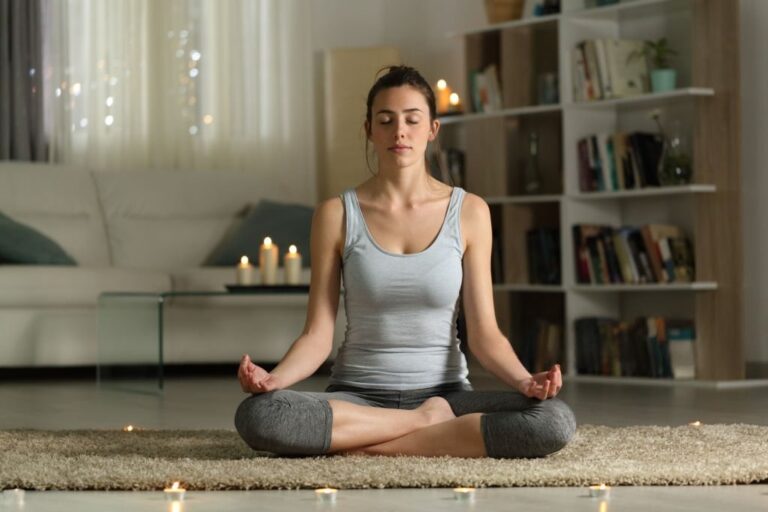
1. Easy Seated Pose + Deep Breathing– 2 Minutes
How to do it:
- Sit comfortably cross-legged.
- Keep your spine tall.
- Rest your hands on your knees.
- Close your eyes and breathe slowly.
Why does it support immunity?
Deep breathing activates the parasympathetic nervous system (rest-and-digest mode), lowering stress hormones that can weaken immunity.
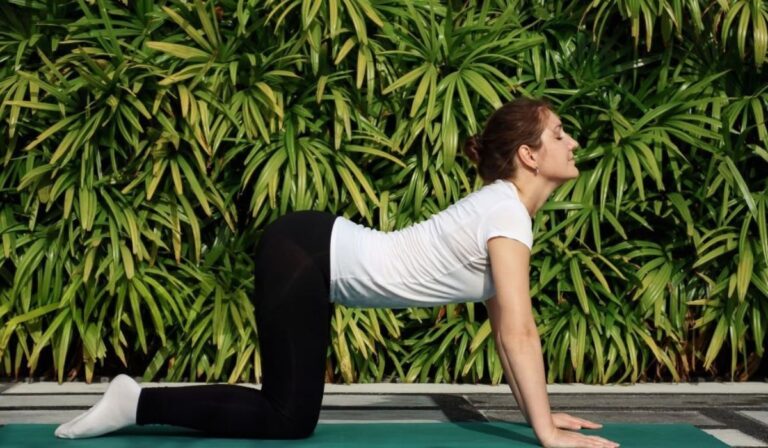
2. Cat-Cow Pose –1 Minute
How to do it:
- Come to hands and knees.
- Inhale: arch your back, lift your chest (Cow).
- Exhale: round your spine, tuck your chin (Cat).
Immune benefit:
Cat-cow improves spinal mobility and supports circulation, helping your body move fluids more efficiently.
3. Child’s Pose– 2 Minutes
How to do it:
- Kneel and sit back on your heels.
- Stretch arms forward.
- Rest your forehead on the mat.
Immune benefit:
This posture calms the nervous system and supports gentle compression of the abdomen, helping digestion and relaxation.
4. Downward-Facing– 30 Seconds to 1 Minute
How to do it:
- Lift hips upward into an inverted V-shape.
- Keep knees slightly bent if needed.
- Press hands firmly into the mat.
Immune benefit:
Inversions improve circulation and may support lymph movement, which plays a role in immune defense.
5. Low Lunge– 1 Minute Each Side
How to do it:
- Step right foot forward.
- Drop left knee to the mat.
- Lift chest and open shoulders.
Immune benefit:
Lunges open the hip area and stimulate blood flow, helping energy and mobility.
6. Gentle Twist –1 Minute Each Side
How to do it:
- Sit on the mat with legs extended.
- Bend one knee and cross it over.
- Twist gently toward the bent knee side.
Immune benefit:
Twisting postures may support digestion and circulation, helping your gut function better. A healthy gut supports immune strength.
7. Cobra Pose –30 Seconds x 2 Rounds
How to do it:
- Lie on your belly.
- Place palms under shoulders.
- Lift chest gently, elbows slightly bent.
Immune benefit:
Cobra opens the chest and lungs, helping improve breathing and posture, which supports respiratory health.
8. Bridge Pose –1 Minute
How to do it:
- Lie on your back, knees bent.
- Feet hip-width apart.
- Lift hips upward slowly.
Immune benefit:
The bridge pose gently stimulates the thyroid area and improves circulation. It also supports relaxation.
9. Legs Up the Wall Poses– 3 to 5 Minutes
How to do it:
- Sit near a wall.
- Lie back and extend legs upward against the wall.
- Relax your arms at your sides.
Immune benefit:
This is one of the best poses for reducing fatigue and calming the nervous system. It may help with lymphatic drainage and stress reduction.
10. Final Relaxation – 3 Minutes
How to do it:
- Lie flat on your back.
- Relax your whole body.
- Let your breath become natural.
Immune benefit:
Deep relaxation improves recovery, reduces inflammation, and supports better sleep—one of the biggest immune boosters.
Best Breathing Exercise for Immune Support (2 Minutes)
Add this after your yoga flow for even better results.
Diaphragmatic Breathing
Steps:
- Place one hand on your chest, one on your belly.
- Inhale slowly through the nose (belly expands).
- Exhale slowly through the nose (belly softens).
- Repeat for 10–15 breaths.
Why it works:
This breathing method reduces stress and improves oxygen intake, supporting your respiratory system and overall wellness.
How Often Should You Do Yoga to Boost Your Immune System?
For best results:
- 3–5 days per week is ideal
- Even 10 minutes daily is powerful
- Consistency matters more than intensity
If you feel tired or weak, choose shorter sessions, like 10–15 minutes, for breathing and relaxation.
Extra Lifestyle Tips to Improve Immunity Along With Yoga
Yoga works best when combined with simple daily habits.
Pair your yoga practice with:
- 7–9 hours of sleep
- Hydration throughout the day
- Sunlight exposure (Vitamin D support)
- Balanced meals (protein + fiber + healthy fats)
- Stress management
- Regular walking
Yoga is a strong foundation, but your immune system needs a full support system.
Who Should Avoid Certain Poses?
This sequence is gentle, but still take precautions.
Avoid or modify poses if you have:
- Severe back pain
- Knee injury
- High blood pressure (avoid long inversions)
- Pregnancy (twists should be mild)
- Recent surgery
Always listen to your body. If a pose feels painful, stop.
Quick 10-Minute Yoga Routine for Busy Days
If you don’t have time, do this shorter flow:
- Seated breathing – 1 min
- Cat-cow – 1 min
- Child’s pose – 2 min
- Downward dog – 1 min
- Cobra – 1 min
- Bridge pose – 1 min
- Legs up the wall – 2 min
That’s it. Simple, effective, and calming.
Final Thoughts
Your immune system is not built overnight. It strengthens through small, consistent actions.
This gentle yoga sequence is a safe and calming way to support your body naturally—especially during stressful periods, seasonal changes, or low-energy days.
If you practice this flow regularly, you may notice:
- better sleep
- reduced stress
- improved breathing
- better digestion
- stronger energy levels
And over time, those improvements can support better immune resilience.
FAQs
Can yoga prevent illness?
Yoga cannot guarantee prevention, but it can improve stress control, sleep, and circulation—factors that influence immune health.
Which yoga is best for immunity?
Gentle yoga, restorative yoga, and breathing-based yoga practices are most helpful because they calm the nervous system.
How long should I practice yoga daily?
Even 10–20 minutes daily is enough for noticeable benefits.
Is yoga good when you have a cold?
Light stretching and breathing may help, but avoid intense flows. Rest is still the priority.