

Yoga for Infertility Support: A Gentle Practice to Reconnect Body and Mind
Infertility can feel isolating. Month after month, hope rises and falls. Medical appointments, hormone treatments, and emotional stress can leave you physically exhausted and mentally drained. If you’re on this journey, you’re not alone — and while yoga is not a cure for infertility, a gentle practice can support your body, calm your nervous system, and create a more balanced internal environment.
In this article, we’ll explore how yoga for infertility support works and a safe, gentle sequence you can practice at home.
How Yoga Supports Fertility Naturally
Infertility is often influenced by multiple factors — hormonal imbalance, stress, irregular cycles, conditions like PCOS, endometriosis, or low sperm quality. While medical care remains essential, research suggests that stress plays a significant role in reproductive health.
Chronic stress activates the sympathetic nervous system (fight-or-flight mode), which may interfere with reproductive hormone balance. Gentle yoga shifts the body into the parasympathetic state (rest-and-digest mode), supporting:
- Better hormonal regulation
- Improved blood flow to reproductive organs
- Reduced cortisol levels
- Emotional resilience during fertility treatments
Yoga also improves circulation in the pelvic region, which may support ovarian and uterine function.
Key Principles of Yoga for Infertility Support
This is not the time for intense workouts or power yoga. Instead, focus on:
- Slow, controlled breathing
- Restorative postures
- Gentle hip-opening movements
- Stress-reducing relaxation
Practice 3–5 times per week, ideally in a calm, quiet space.
Gentle Yoga Sequence for Fertility Support
1. Butterfly Pose

Why it helps:
Opens the hips and increases blood circulation to the pelvic region.
How to practice:
- Sit upright and bring soles of the feet together.
- Let knees gently drop outward.
- Hold feet and lengthen the spine.
- Breathe deeply for 1–3 minutes.
Tip: Place cushions under your knees for support.
2. Reclining Bound Angle Pose

Why it helps:
Encourages relaxation and improves blood flow to reproductive organs.
How to practice:
- Lie on your back.
- Bring soles of feet together, knees open.
- Place pillows under knees for comfort.
- Rest hands on belly.
- Stay for 3–5 minutes with slow breathing.
This pose is especially helpful during the luteal phase of your cycle.
3. Legs Up the Wall

Why it helps:
Reduces stress, improves circulation, and calms the nervous system.
How to practice:
- Sit close to a wall and lie back.
- Extend legs upward against the wall.
- Relax arms at your sides.
- Stay for 5–10 minutes.
Avoid during menstruation if uncomfortable.
4. Cat–Cow Stretch

Why it helps:
Stimulates abdominal organs and improves pelvic circulation.
How to practice:
- Start on hands and knees.
- Inhale: Arch the back (Cow).
- Exhale: Round the spine (Cat).
- Move slowly with breath for 1–2 minutes.
Keep movements gentle, not forceful.
5. Child’s Pose
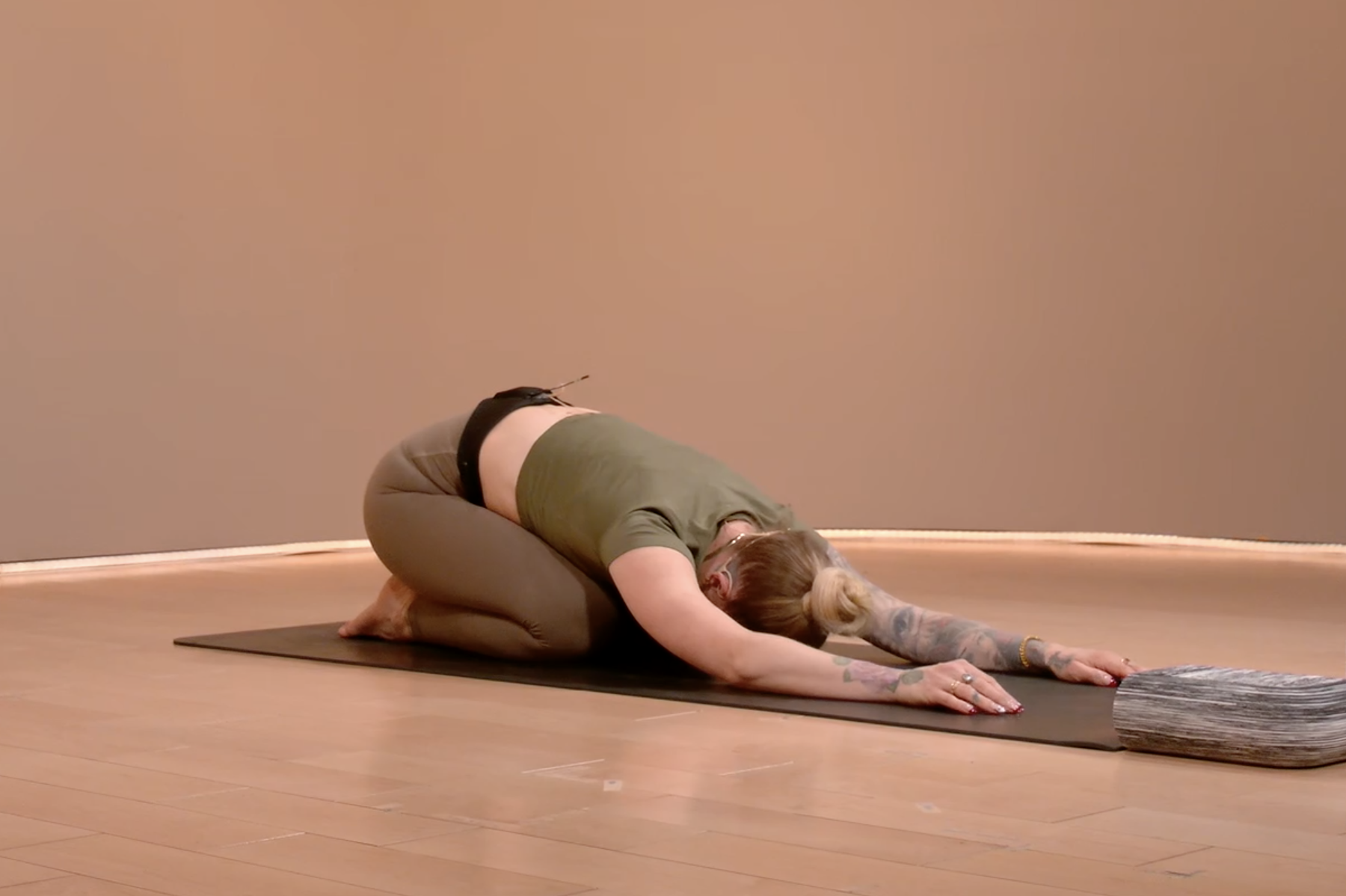
Why it helps:
Deeply calming and reduces stress hormones.
How to practice:
- Kneel and sit back on heels.
- Fold forward, forehead on mat.
- Arms extended or beside body.
- Breathe slowly for 2–3 minutes.
Breathing Practice for Hormonal Balance
After completing the poses, sit comfortably and practice deep diaphragmatic breathing:
- Inhale for 4 counts
- Exhale for 6 counts
- Continue for 5 minutes
Longer exhales activate the parasympathetic nervous system, supporting hormonal regulation.
When to Practice
- Best time: Evening or early morning
- During IVF or fertility treatment: Consult your doctor
- Avoid strong twists, deep backbends, or heated yoga
- During the two-week wait: Focus on relaxation, not intensity
Emotional Healing Matters Too
Infertility is not just physical — it’s emotional. Gentle yoga creates space to:
- Release frustration
- Build patience
- Restore hope
- Connect with your body in a compassionate way
Even 20 minutes daily can make a difference in how you feel.
Final Thoughts
Yoga for infertility support is about creating balance — not forcing results. It helps regulate stress, support circulation, and nurture emotional wellbeing. Combined with proper medical care, nutrition, and rest, this gentle practice can become a powerful companion on your fertility journey.
Be patient with your body. Healing often begins with calmness.