Yoga for PCOS and Hormonal Balance (Natural Support for Better Health)
PCOS (Polycystic Ovary Syndrome) is a common hormonal condition that affects many women worldwide. It can lead to symptoms like irregular periods, weight gain, acne, hair thinning, mood swings, and difficulty in managing stress. Many women also experience insulin resistance and fatigue, which can make daily life feel challenging.
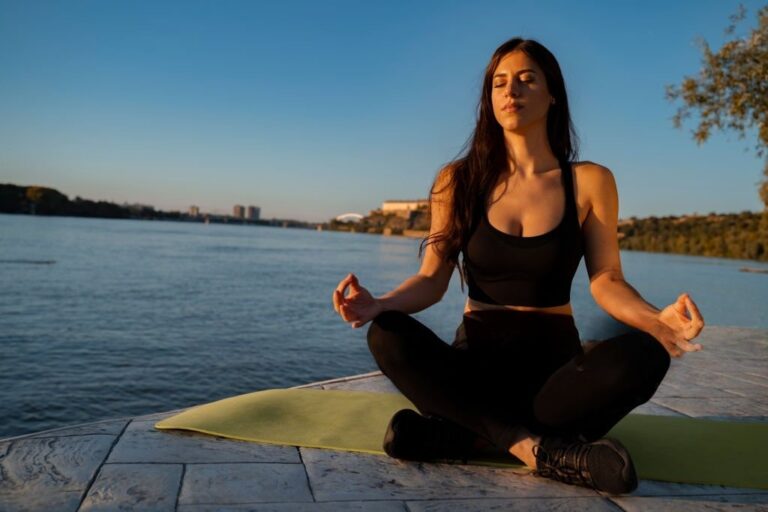
While PCOS usually requires lifestyle changes and medical guidance, yoga for PCOS and hormonal balance is a natural and supportive practice that can improve both physical and mental health.
Yoga does not “cure” PCOS, but it can help manage symptoms by reducing stress, improving circulation, supporting digestion, and promoting hormone balance.
How Yoga Helps with PCOS Naturally
Hormonal imbalance in PCOS is often linked with stress and insulin issues. Yoga helps the body shift into a calmer state by lowering cortisol (stress hormone). When stress levels improve, the body becomes more balanced, which may support reproductive and metabolic health.
Yoga supports PCOS management by:
- Reducing stress and anxiety
- Improving blood circulation in the pelvic area
- Supporting digestion and metabolism
- Helping manage weight naturally
- Improving sleep quality
- Supporting emotional stability
Regular yoga practice also encourages consistency and self-care, which is essential for women dealing with PCOS.
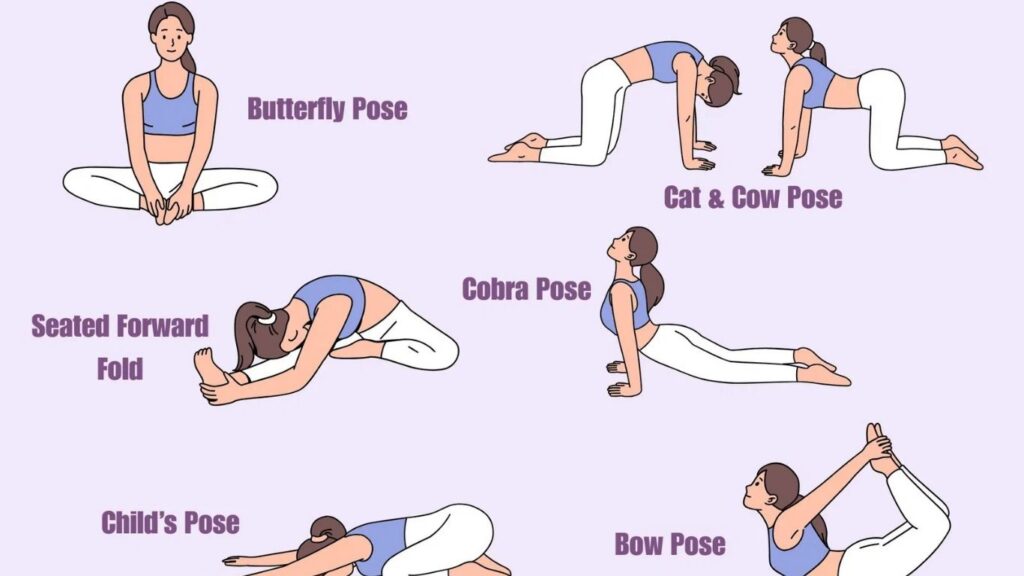
Best Yoga Poses for PCOS and Hormonal Balance
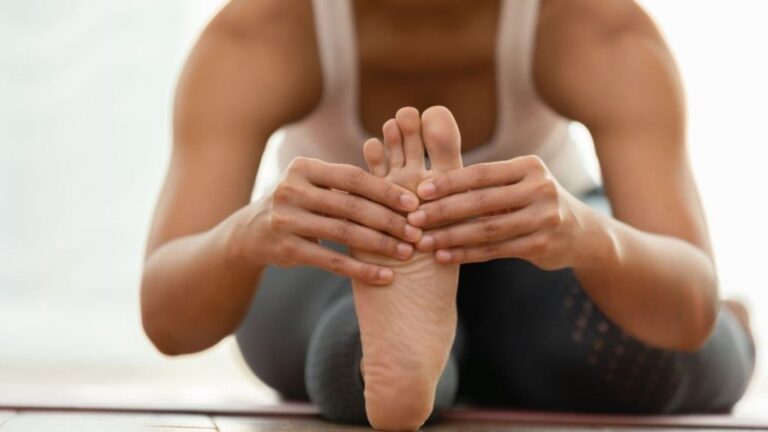
1. Butterfly Pose (Baddha Konasana)
This pose opens the hips and improves blood flow in the pelvic region.
Why it helps:
Supports reproductive health and reduces pelvic tension.
Hold: 1–2 minutes
2. Bridge Pose (Setu Bandhasana)
Bridge pose activates the lower body and supports hormone-related glands.
Why it helps:
Strengthens the core and improves circulation.
Hold: 20–30 seconds, repeat 2 times.
3. Cobra Pose (Bhujangasana)
Cobra pose gently stretches the abdomen and supports digestion.
Why it helps:
Helps relieve abdominal tension and supports metabolic health.
Hold: 15–30 seconds
4. Child’s Pose (Balasana)
A calming pose that relaxes the nervous system.
Why it helps:
Reduces stress and supports emotional balance.
Hold: 1–2 minutes
5. Legs Up the Wall (Viparita Karani)
This restorative pose improves circulation and relaxes the body.
Why it helps:
Helps reduce stress, fatigue, and hormonal tension.
Hold: 2–5 minutes
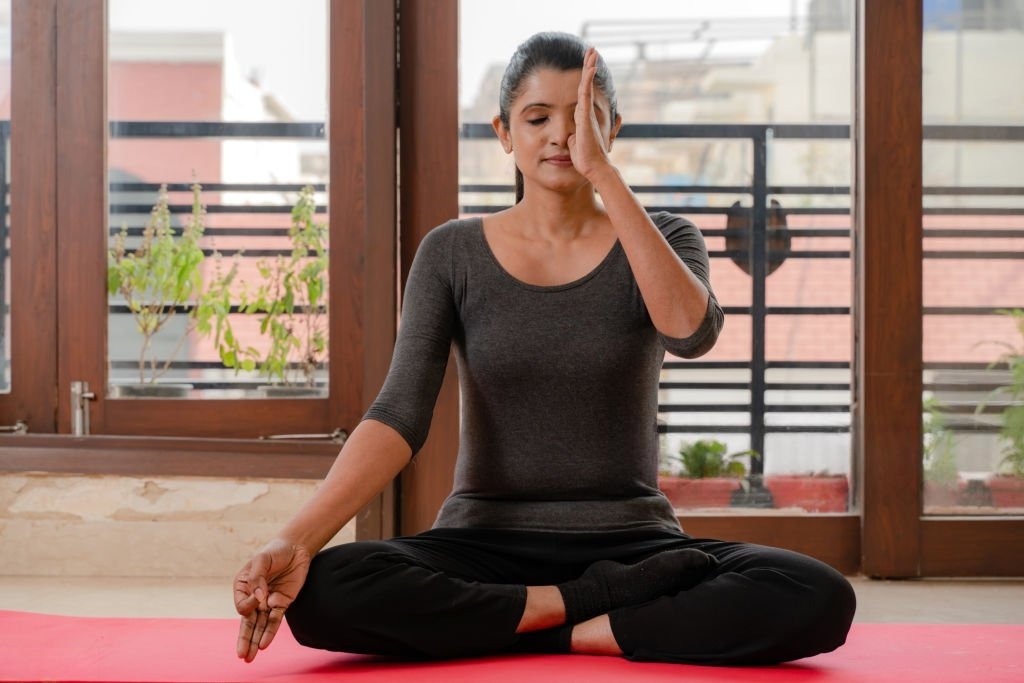
Breathing for Hormonal Balance (Pranayama)
Breathing exercises are extremely helpful for PCOS because stress is a major trigger. Slow breathing calms the nervous system and supports hormonal regulation.
Simple breathing technique:
- Inhale slowly through the nose
- Exhale longer than inhale
- Repeat for 3–5 minutes
This helps relax the mind and reduce stress-related hormone imbalance.
Best Time to Practice Yoga for PCOS
The best time is when your body feels comfortable and relaxed.
Most women prefer:
- Morning yoga for energy and metabolism
- Evening yoga for stress reduction and better sleep
Practicing consistently matters more than the time of day.
How Often Should You Do Yoga for PCOS?
For noticeable benefits, practice:
- 4–6 days per week
- 20–40 minutes per session
- Combine yoga poses + breathing + relaxation
Yoga works best when combined with healthy eating, daily movement, and proper sleep.
Lifestyle Tips to Improve PCOS Symptoms
Yoga becomes more effective when paired with:
- Balanced meals (high fiber, protein-rich foods)
- Reducing sugar and processed foods
- Daily walking
- Stress management
- Proper sleep schedule
PCOS management is about long-term habits, not quick fixes.
Final Thoughts
Yoga for PCOS and hormonal balance is a gentle yet powerful way to support your body naturally. It helps reduce stress, improve circulation, and strengthen the body while calming the mind. With regular practice, many women feel more energetic, emotionally balanced, and healthier overall.
If you’re looking for a natural lifestyle practice to support PCOS symptoms, yoga is one of the best choices to start.