
Yoga for Rotator Cuff Injury Healing: A Complete Recovery Guide
Rotator cuff injuries are incredibly common, especially among athletes, office workers, and anyone who performs repetitive overhead movements. These injuries can make everyday tasks—like reaching for a shelf, brushing your hair, or lifting light objects—feel difficult and painful. If you’re navigating the healing process, you may wonder whether yoga can help. The short answer is yes, when practiced safely and with medical clearance.
Yoga offers gentle mobility, controlled strengthening, improved posture, and stress relief—all important for rotator cuff rehabilitation. While yoga isn’t a replacement for physical therapy or medical care, it can complement your treatment plan and support your shoulder’s recovery at every stage.
This guide walks you through the benefits, precautions, and best healing-focused poses to help restore strength and mobility to your rotator cuff.
Rotator Cuff Injuries
The rotator cuff consists of four muscles—supraspinatus, infraspinatus, teres minor, and subscapularis—that stabilize the shoulder joint. These muscles keep the humeral head (upper arm bone) aligned in the socket while allowing your shoulder to rotate and lift.
Rotator cuff injuries typically fall into three categories:
1. Tendonitis (Inflammation)
Caused by overuse, poor posture, or repetitive motions. This stage often includes irritation, pain, and swelling.
2. Partial Tears
A portion of the tendon is damaged but not completely severed. This injury can cause weakness and chronic pain.
3. Full Tears
A complete rupture of the tendon often requires surgery.
Symptoms may include:
✔ Pain when lifting the arm
✔ Weakness or fatigue in the shoulder
✔ Difficulty sleeping on the affected side
✔ Clicking or catching sensations
✔ Decreased mobility
Healing can take weeks to months. During recovery, gentle, controlled movement helps prevent stiffness, maintain circulation, and protect long-term shoulder function. This is where yoga comes in—but only when practiced correctly.
How Yoga Supports Rotator Cuff Healing
Yoga offers several evidence-supported benefits:
Improved Mobility
Controlled stretching boosts synovial fluid production and reduces stiffness—a common issue after injury or immobilization.
Strength for Stabilizing Muscles
Weak scapular stabilizers—like the serratus anterior and lower trapezius—often contribute to poor shoulder mechanics. Yoga poses activate these essential support muscles.
Reduced Tension and Pain
Mindful breathing and slow movements help relax tight shoulder and neck muscles that often overcompensate for the injured cuff.
Better Posture
Rounded shoulders and forward head posture place strain on the rotator cuff. Yoga helps realign the spine and shoulders for more efficient movement.
Mind–Body Awareness
Yoga trains you to notice small pain signals before they become problems, reducing the risk of reinjury.
Precautions Before Beginning Shoulder Yoga
Because rotator cuff injuries can worsen with the wrong movements, keep these precautions in mind:

Avoid:
- Deep or forced stretches
- Fast transitions
- Full overhead arm lifts early in recovery
- Weight-bearing poses on the arms (plank, downward dog) unless cleared
- Painful or “pinchy” movements
Get clearance if:
- You’ve had surgery
- You have a partial or full tear
- Pain worsens with movement
- You feel clicking or instability
Safe principle:
No sharp pain. No numbing, burning, zapping, or “pinching.”
Discomfort is okay; pain is not.
Warm-Up Routine for Rotator Cuff Healing
Before any yoga routine, warm up the shoulders to increase blood flow.
1. Diaphragmatic Breathing
Inhale through the nose, exhale slowly through the mouth. This reduces muscle guarding and prepares the body for movement.
2. Neck Mobility
Gentle head tilts and chin tucks release upper traps and neck muscles that strain the shoulder.
3. Scapular Activation
Gently squeeze shoulder blades together, then relax. Repeat 10 times.
This strengthens essential stabilizers without stressing the rotator cuff.
4. Small Arm Circles
Keep motions tiny and pain-free. This lubricates the joint.
Beginner Yoga Poses for Rotator Cuff Recovery
These poses are safe for most early-stage injuries and help restore mobility.
1. Wall Finger Walks
Stand facing a wall and “walk” your fingers upward slowly until a gentle stretch is felt.
Hold for 5 seconds, then lower.
Helps regain range of motion without strain.
2. Cross-Body Stretch
Bring one arm across your chest and support it gently.
Stretches the back of the shoulder—often tight in rotator cuff injuries.
3. Pendulum Swings
Lean forward slightly, supporting yourself with your uninjured arm.
Let the injured arm hang and gently sway in circles.
This is a clinically recommended early mobility exercise used in physical therapy.
4. Strap-Assisted External Rotation
Hold a strap between your hands and gently pull outward.
Activates the infraspinatus—key for rotator cuff stability.
5. Supported Cat–Cow (Seated)
Hands on thighs, arch and round your spine gently.
Loosens the upper back, reducing shoulder strain.
Intermediate Yoga Poses for Strengthening
Move to these once mobility improves and pain decreases.
1. Wall Downward Dog
Hands on the wall, step back until your torso is at a 90-degree angle.
Strengthens shoulder stabilizers with minimal load.
2. Wall Angels
Stand with your back against the wall and slide your arms up and down within a pain-free range.
Improves scapular coordination.
3. Supported Thread the Needle
Use a table or chair for support as you gently twist.
This stretches the upper back, improving shoulder mechanics.
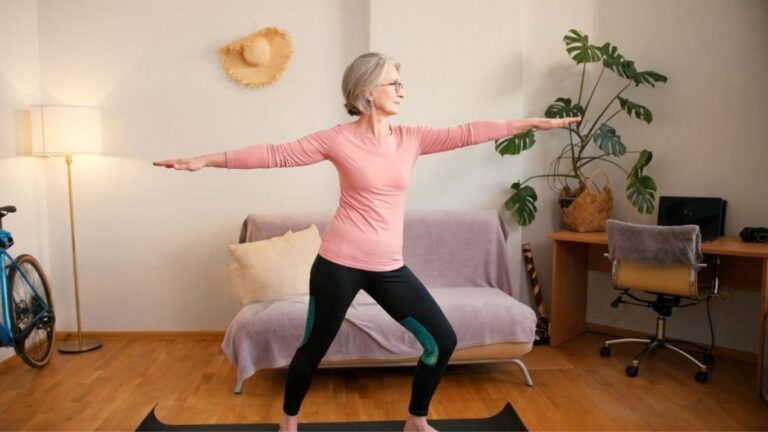
4. Lateral Arm Lifts
Lift arms only to shoulder height.
Strengthens the deltoids and supports rotator cuff recovery.
Advanced Strengthening (Only When PT-Cleared)
1. Isometric Wall Presses
Press the hand gently into the wall—forward, backward, inward, outward.
These controlled contractions increase strength safely.
2. Modified Plank at the Wall
Gently load the shoulder without full body weight.
3. Controlled Overhead Reaches
Raise arms above the head slowly, only if pain-free.
Helps restore the full functional range.
Restorative Yoga Poses for Pain Relief
These poses reduce inflammation and tension.
1. Supported Child’s Pose
Place a pillow under your chest.
Allows deep relaxation and releases the upper back.
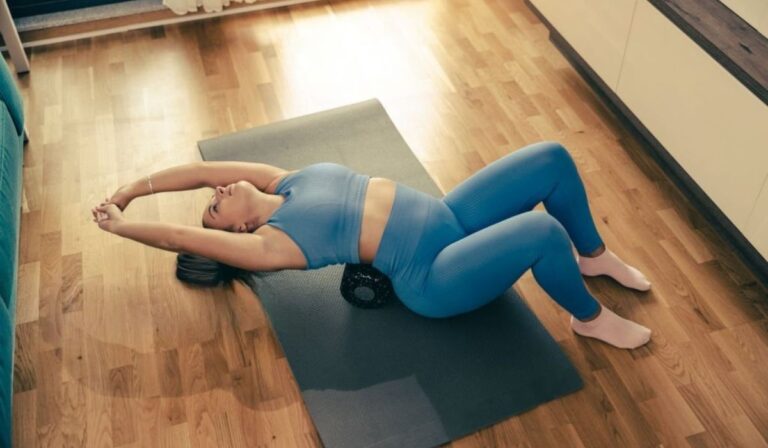
2. Reclined Shoulder Opener
Lie on your back, arms out to the sides, palms up.
Opens the chest and counteracts shoulder rounding.
3. Side-Lying Decompression
Lie on your side with your injured arm resting on a pillow.
Relieves pressure and promotes circulation.
How Often Should You Practice?
Research suggests:
- Daily mobility work (5–10 minutes)
- Strength work 2–3 times weekly, when cleared
- Restorative practices anytime
Consistency matters more than intensity.
Never push through sharp pain.
Conclusion
Healing a rotator cuff injury requires patience, proper guidance, and consistent, gentle movement. Yoga—when practiced safely—can help restore mobility, strengthen stabilizing muscles, improve posture, and reduce tension around the injured shoulder. Always honor your body’s limits, progress slowly, and follow your doctor or physical therapist’s recommendations. With time and mindful practice, yoga can become a powerful tool in restoring healthy shoulder function.