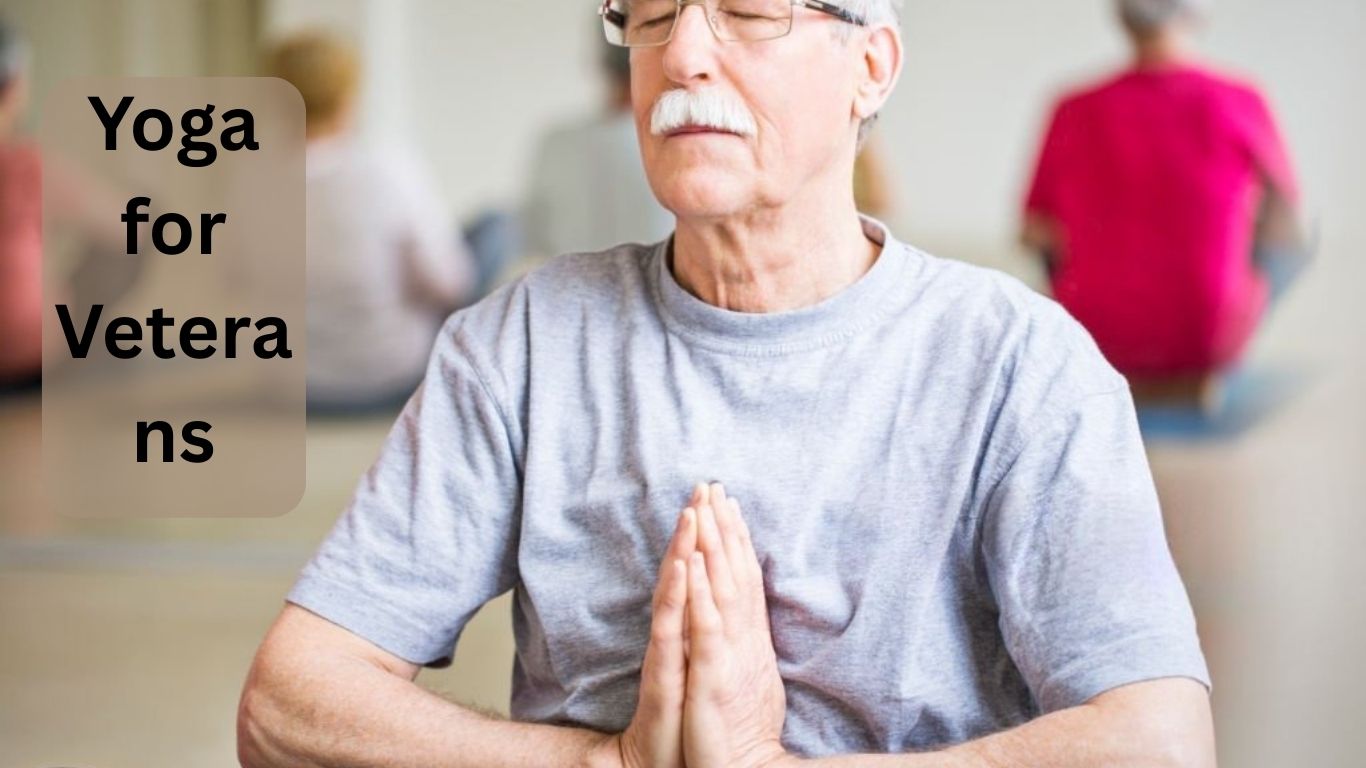
Yoga for Veterans: PTSD and Stress Relief Through Gentle Practice
Post-traumatic stress disorder (PTSD) affects many veterans long after active duty ends. Loud noises, crowded spaces, sleep disturbances, hypervigilance, and intrusive memories can make daily life exhausting. While therapy and medical treatment remain essential, many veterans are turning to yoga as a complementary tool for PTSD and stress relief.
Yoga is not about flexibility or fitness. For veterans, it becomes a way to regain control over breath, body, and nervous system.
Understanding PTSD in Veterans
PTSD changes how the nervous system responds to stress. Instead of switching off after danger passes, the body can remain in “survival mode.” This means:
- Elevated heart rate
- Chronic muscle tension
- Sleep disruption
- Irritability
- Emotional numbness
- Hyper-alertness
Gentle yoga practices help activate the parasympathetic nervous system — the “rest and restore” response — which can reduce stress symptoms over time.
Organizations like the U.S. Department of Veterans Affairs recognize that complementary therapies such as yoga may support overall PTSD treatment plans when combined with professional care.
How Yoga Supports Veterans with PTSD
Research on trauma-sensitive yoga suggests it may help by:
- Improving emotional regulation
- Reducing cortisol (stress hormone)
- Increasing body awareness
- Supporting better sleep
- Decreasing anxiety symptoms
The focus is not on pushing limits but on safe, predictable movement and controlled breathing.
Gentle Yoga Sequence for PTSD and Stress Relief
These poses emphasize grounding, safety, and breath awareness. Practice in a quiet room. Keep lighting soft. Avoid mirrors if they feel distracting.
1. Mountain Pose (Tadasana)
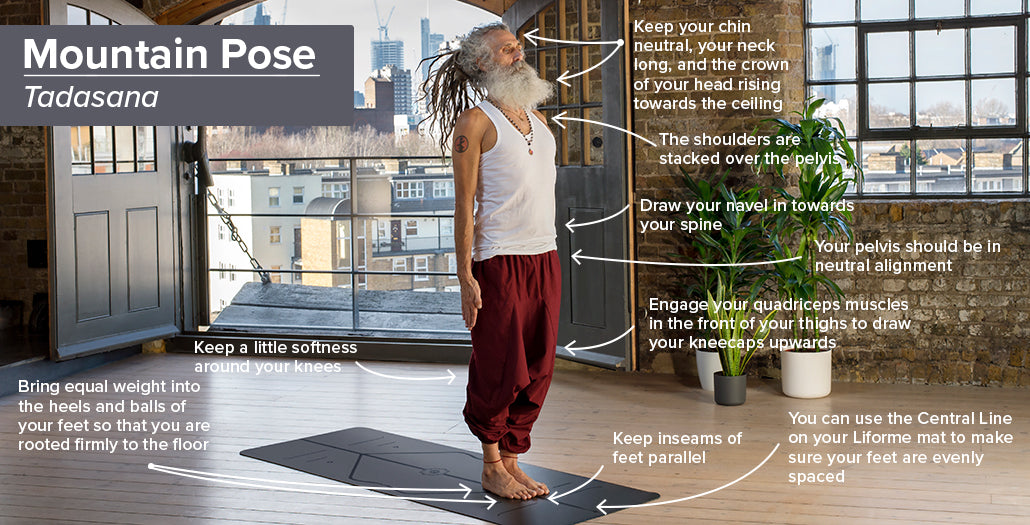
Why it helps:
Encourages grounding and present-moment awareness.
How to practice:
- Stand with feet hip-width apart.
- Arms relaxed at sides.
- Notice your breath.
- Feel your feet pressing into the ground.
- Stay for 1–2 minutes.
This simple pose builds a sense of stability.
2. Child’s Pose (Balasana)

Why it helps:
Provides a sense of safety and inward focus.
How to practice:
- Kneel and sit back on heels.
- Fold forward, forehead resting on mat or pillow.
- Arms forward or alongside body.
- Breathe slowly for 2–3 minutes.
Use cushions if needed. Comfort is priority.
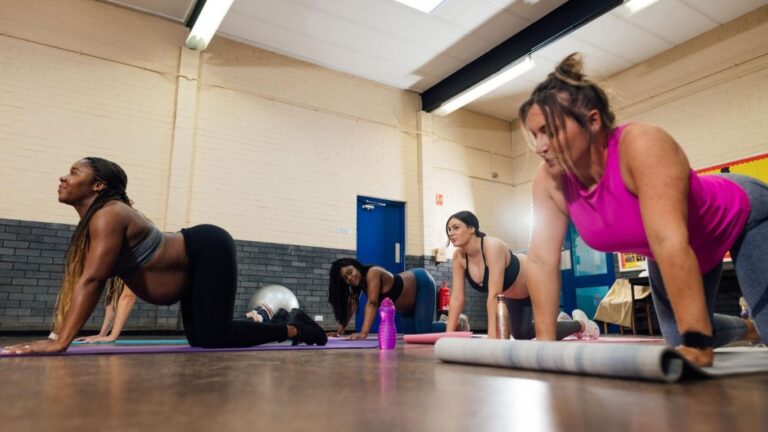
3. Cat–Cow Movement

Why it helps:
Releases stored tension in the spine and improves breath coordination.
How to practice:
- On hands and knees.
- Inhale: Lift chest and tailbone (Cow).
- Exhale: Round spine (Cat).
- Continue slowly for 1–2 minutes.
Move gently and stop if discomfort arises.
4. Legs Up the Wall (Viparita Karani)

Why it helps:
Reduces heart rate and calms the nervous system.
How to practice:
- Sit beside a wall.
- Lie back and extend legs upward.
- Arms relaxed at sides.
- Stay 5–10 minutes.
This pose is especially helpful before sleep.
Breathing Practice for PTSD Relief
Controlled breathing is often the most powerful tool.
4–6 Breathing Method:
- Inhale for 4 counts
- Exhale for 6 counts
- Continue for 5 minutes
Longer exhales send signals of safety to the brain.
Some trauma-sensitive programs, including those inspired by teachers like Bessel van der Kolk, emphasize body-based practices to help trauma survivors reconnect safely with physical sensations.
Trauma-Sensitive Yoga Guidelines
For veterans with PTSD, safety comes first:
- Keep eyes open if closing them feels unsafe
- Avoid forceful adjustments
- Choose predictable, slow movements
- Practice in a secure, private space
- Stop immediately if triggered
Yoga should feel empowering — not overwhelming.
Benefits Veterans Often Report
With consistent practice, veterans may experience:
- Improved sleep quality
- Lower anxiety levels
- Reduced muscle tension
- Better emotional control
- Increased sense of grounding
It is important to remember that yoga complements therapy — it does not replace professional mental health care.
When to Seek Professional Guidance
If symptoms are severe, including flashbacks, panic attacks, or suicidal thoughts, immediate professional help is necessary. Programs through veterans’ health systems or certified trauma-informed yoga instructors can provide structured support.
Final Thoughts
Yoga for veterans with PTSD is not about performance. It is about reclaiming a sense of control. Through breath, gentle movement, and grounding awareness, veterans can gradually shift the nervous system from constant alertness to moments of calm.
Even 15 minutes daily can begin building resilience.
Healing does not happen overnight. But steady, safe practice can create space for recovery.