
7 Breathing Exercises You Can Do at Your Desk to Reduce Stress and Improve Focus
Many people spend long hours sitting at a desk. Over time, this routine can create tension in the shoulders, shallow breathing, and mental fatigue. When breathing becomes shallow, the body receives less oxygen, and the mind struggles to stay focused.
The good news is that simple breathing exercises you can do at your desk can quickly restore energy and calm your nervous system. These exercises require only a few minutes and can be practiced without leaving your chair.
In this guide, you will learn practical breathing techniques that help reduce stress, improve concentration, and support better posture during your workday.
Why Desk Breathing Exercises Are Important
When people work on computers for long periods, they often breathe from the chest instead of the diaphragm. This pattern can increase tension and mental fatigue.
Regular breathing exercises at your desk can help:
- Improve oxygen flow to the brain
- Reduce work stress
- Relax tight neck and shoulder muscles
- Improve concentration and productivity
- Support healthy posture
Even short breathing breaks can refresh the mind and body during a busy workday.
1. Simple Deep Breathing
Deep breathing is one of the easiest breathing exercises you can do at your desk.
How to do it:
- Sit upright with your feet flat on the floor.
- Relax your shoulders.
- Breathe in slowly through your nose for four seconds.
- Let your belly expand as you inhale.
- Breathe out slowly through your mouth for six seconds.
Repeat this cycle for 1–2 minutes.
Why it helps
Deep breathing activates the body’s relaxation response. It lowers stress levels and helps the brain regain focus.
2. Box Breathing
Box breathing is a structured breathing technique used to improve concentration and mental clarity.
How to do it
- Sit comfortably at your desk.
- Inhale through your nose for 4 seconds.
- Hold your breath for 4 seconds.
- Exhale slowly for 4 seconds.
- Pause again for 4 seconds.
Repeat the cycle for 2 minutes.
Why it helps
This exercise stabilizes breathing rhythm and helps calm the nervous system during stressful work moments.
3. Shoulder Relaxation Breathing
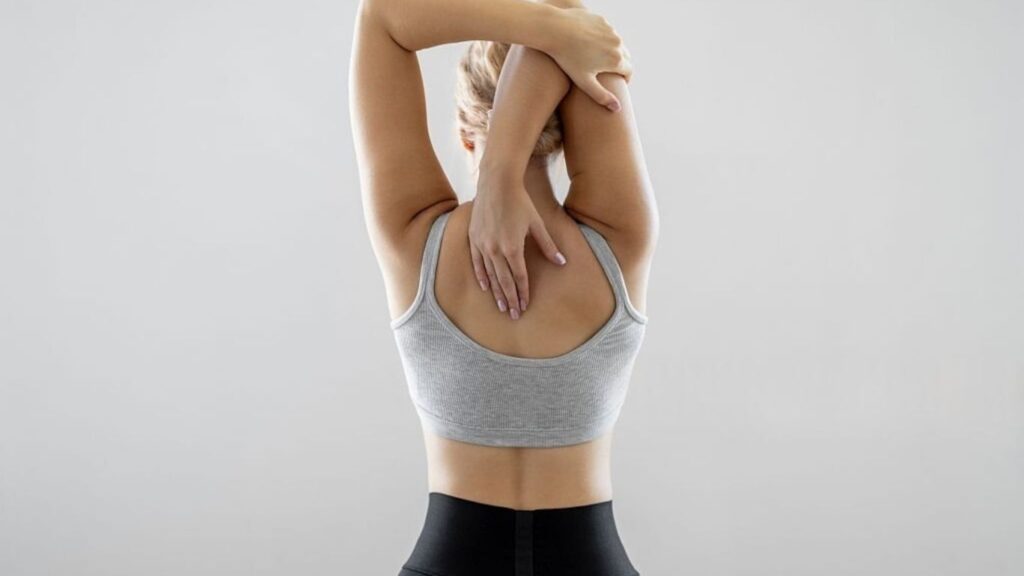
Desk work often creates tight shoulders. This breathing technique releases that tension.
How to do it
- Sit upright in your chair.
- Inhale slowly while lifting your shoulders toward your ears.
- Hold your breath briefly.
- Exhale slowly while dropping your shoulders down.
Repeat this movement 8–10 times.
Why it helps
This exercise combines breathing with gentle movement, helping release tension from the upper body.
4. Extended Exhale Breathing
This exercise focuses on longer exhalations to promote relaxation.
Steps
- Inhale slowly through your nose for 4 seconds.
- Exhale gently through your mouth for 7 seconds.
- Keep your shoulders relaxed.
Practice for 2–3 minutes.
Why it helps
Longer exhalations signal the body to relax, which reduces stress during demanding work tasks.
5. Alternate Nostril Breathing
This traditional breathing technique can also be practiced quietly at your desk.
How to do it
- Sit upright and relax your shoulders.
- Use your right thumb to gently close your right nostril.
- Inhale slowly through the left nostril.
- Close the left nostril and open the right.
- Exhale through the right nostril.
- Inhale through the right nostril and repeat the cycle.
Practice for 1–2 minutes.
Why it helps
This breathing technique promotes mental balance and improves focus during work.
6. Calm Counting Breath

This simple breathing exercise is helpful during stressful emails, deadlines, or meetings.
Steps
- Inhale slowly and count to five.
- Exhale slowly and count to five again.
- Focus on the rhythm of your breath.
Continue for two minutes.
Why it helps
Counting keeps your mind focused and prevents distracting thoughts.
7. Micro Breathing Break
Sometimes you only have one minute between tasks. A micro breathing break can still help.
Steps
- Stop typing or working.
- Close your eyes if possible.
- Take five slow, deep breaths.
- Focus only on the movement of your breath.
Why it helps
Even short breathing pauses reset your mental energy and improve productivity.
Tips for Practicing Breathing Exercises at Work
To get the most benefit from breathing exercises you can do at your desk, follow these simple tips.
Set reminders
Schedule breathing breaks every 60–90 minutes.
Maintain posture
Sit upright to allow the lungs to expand fully.
Relax the shoulders
Tension in the shoulders often restricts breathing.
Start small
Even two minutes of breathing can make a difference.
My Experience with Desk Breathing Breaks
Many people underestimate how powerful breathing can be during work hours. In my experience, adding short breathing exercises between tasks helps prevent mental fatigue and improves focus.
When practiced regularly, these small breathing breaks create a noticeable improvement in mood and productivity. Instead of feeling drained at the end of the day, the mind remains clearer and more balanced.
Final Thoughts
Busy workdays often leave little time for relaxation, but small habits can make a big difference. Practicing breathing exercises you can do at your desk helps reduce stress, improve concentration, and support overall well-being.
You do not need a quiet room or long meditation sessions. Just a few mindful breaths at your desk can reset your mind and bring calm back to your day.