Breathing Techniques for Teachers in the Classroom: Simple Ways to Stay Calm, Focused, and Energized
Teaching is one of the most rewarding professions, but it can also be mentally and emotionally demanding. Teachers manage lesson planning, classroom behavior, administrative work, and student needs—all often within a tight schedule. Over time, this constant pressure can lead to fatigue, stress, and burnout.
One simple yet powerful tool that can help is breathing techniques for teachers in the classroom. Controlled breathing helps regulate the nervous system, calm emotional reactions, and improve mental clarity. The best part is that teachers can practice these techniques quietly during the school day without interrupting classroom activities.
In this guide, you will learn effective breathing techniques teachers can use to reduce stress, maintain patience, and stay focused throughout the school day.
Why Breathing Techniques Are Helpful for Teachers
Teachers often move quickly from one task to another—explaining lessons, answering questions, handling classroom disruptions, and preparing the next activity. This fast pace can keep the body in a constant state of tension.
Breathing techniques help shift the body from a stress response to a relaxation response.
Benefits for Teachers
Practicing mindful breathing regularly can help teachers:
- Stay calm during challenging classroom situations
- Improve focus while teaching complex topics
- Reduce feelings of stress and mental overload
- Maintain patience when managing student behavior
- Improve energy levels during long teaching days
Even one or two minutes of controlled breathing can make a noticeable difference.
Experience-Based Insight from Classroom Practice
Many teachers report that short breathing pauses between lessons or before addressing disruptive behavior help them respond more thoughtfully rather than reacting emotionally.
For example, taking three slow breaths before speaking during a stressful classroom moment often helps teachers:
- Lower their voice naturally
- Choose calmer words
- Think more clearly about the situation
Teachers who practice breathing exercises during breaks also notice better focus and less end-of-day fatigue.
7 Breathing Techniques for Teachers in the Classroom
These breathing exercises are simple, quiet, and practical for a classroom environment.
1. Three Deep Breaths Reset
This quick technique helps teachers reset their minds during stressful moments.
How to Practice
- Sit or stand comfortably.
- Inhale slowly through your nose.
- Exhale slowly through your mouth.
- Repeat for three deep breaths.
This technique can be used:
- Before starting a new lesson
- After handling classroom disruptions
- Between classes
It takes less than 30 seconds but helps restore calm.
2. 4-4 Calm Breathing
This method helps stabilize breathing and reduce tension.
Steps
- Inhale through your nose for 4 seconds.
- Exhale slowly for 4 seconds.
- Keep the rhythm steady.
- Continue for 1–2 minutes.
Teachers often use this breathing pattern during short breaks or quiet reading time.
3. Box Breathing for Mental Clarity
Box breathing improves focus and helps teachers stay mentally organized during busy days.
Steps
- Inhale for 4 seconds
- Hold your breath for 4 seconds
- Exhale for 4 seconds
- Hold again for 4 seconds
Repeat for 1–3 minutes.
Many educators use this technique before entering the classroom in the morning.
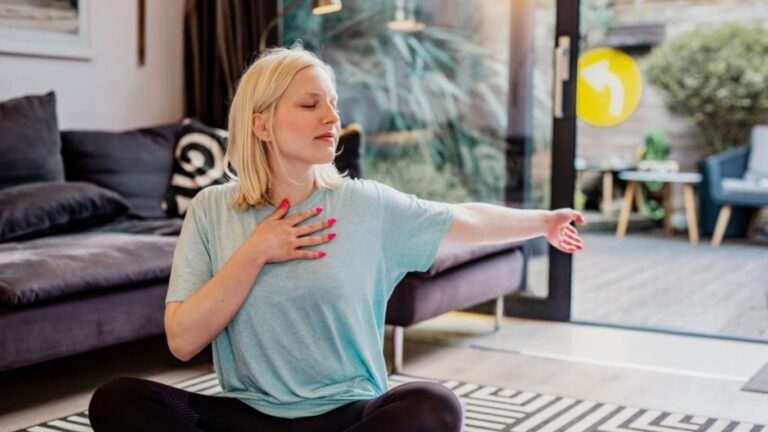
4. Belly Breathing for Stress Relief
Stress often causes shallow chest breathing. Belly breathing helps activate deeper relaxation.
Steps
- Place one hand on your abdomen.
- Inhale deeply through your nose.
- Allow your stomach to expand.
- Exhale slowly through your mouth.
Practice for 2 minutes during a break or planning period.
This breathing style helps teachers release physical tension in the body.
5. Silent Counting Breath
This technique improves patience and emotional control during challenging classroom situations.
Steps
- Inhale slowly.
- Exhale while silently counting “one.”
- Continue counting each breath up to ten.
- Restart the count if your mind wanders.
Teachers often use this method while students are working independently.
6. Energizing Morning Breathing
Teachers sometimes start the day already feeling tired. This breathing exercise increases alertness.
Steps
- Sit upright with good posture.
- Take quick but controlled inhales through the nose.
- Exhale naturally.
- Continue for 30 seconds.
This exercise helps wake up the mind before the first class.
7. End-of-Day Relaxation Breathing
Teaching can carry stress into the evening. A short breathing practice after school helps the body relax.
Steps
- Sit comfortably and close your eyes.
- Inhale slowly through your nose.
- Exhale longer than you inhale.
- Continue for 5 minutes.
This breathing pattern helps release the accumulated stress of the day.
How Teachers Can Use Breathing Techniques During the School Day
Teachers do not need to set aside long meditation sessions. Short breathing breaks fit naturally into a school schedule.
Practical moments to practice
Before students arrive
Between class periods
During student independent work
After handling a stressful situation
Before leaving school for the day
Even a few mindful breaths can change how teachers feel and respond.
Tips for Making Breathing Exercises a Daily Habit
Teachers often benefit most when breathing techniques become part of their daily routine.
Start small
Begin with one or two breathing breaks each day.
Use classroom transitions
Short pauses between activities are ideal moments for mindful breathing.
Model calm behavior
When teachers remain calm, students often mirror that energy.
Practice consistently
Regular breathing practice strengthens emotional resilience over time.
Final Thoughts
Teaching requires constant attention, patience, and emotional balance. While classroom challenges are unavoidable, simple strategies can help teachers manage stress more effectively.
Breathing techniques for teachers in the classroom provide a practical way to stay calm, maintain focus, and create a more positive learning environment. These exercises take only a few minutes but can significantly improve both the teacher’s well-being and classroom atmosphere.
When teachers care for their own mental balance, they are better able to support their students’ learning and growth.
FAQs
Why should teachers practice breathing techniques?
Breathing techniques help teachers manage stress, improve focus, and stay calm during challenging classroom situations.
How long should teachers practice breathing exercises?
Even 1–3 minutes of controlled breathing can help teachers relax and regain focus.
Can breathing exercises help with classroom management?
Yes. Calm breathing helps teachers respond thoughtfully instead of reacting emotionally during difficult situations.
When should teachers use breathing techniques in the classroom?
Teachers can practice breathing exercises before class, between lessons, during breaks, or after stressful interactions.