
Yoga for Caregivers: Self-Care 15-Minute Flow
Caregivers give constantly. You lift, You support, You listen, You stay alert. Whether you care for an aging parent, a patient, a child with special needs, or a loved one recovering from illness — your nervous system rarely turns off.
Over time, this leads to:
- Tight shoulders and lower back pain
- Emotional exhaustion
- Shallow breathing
- Sleep disruption
- Compassion fatigue
According to the Family Caregiver Alliance, caregivers report significantly higher levels of stress compared to non-caregivers. Chronic stress affects immune function, mood stability, and long-term health.
This 15-minute yoga flow is designed specifically for caregivers. It is gentle, realistic, and restorative — something you can do at home without equipment.
Why Caregivers Need Structured Self-Care
When you are responsible for someone else’s well-being, your body stays in “alert mode.” The stress response remains activated.
The American Institute of Stress notes that ongoing caregiving stress can contribute to:
- Muscle tension
- Fatigue
- Headaches
- Sleep problems
- Emotional burnout
Yoga supports recovery by:
- Activating the parasympathetic nervous system
- Improving circulation
- Releasing stored muscular tension
- Encouraging deeper breathing
Fifteen minutes is enough to shift your state.
15-Minute Self-Care Flow for Caregivers
Move slowly. Breathe intentionally. No rushing.
1. Seated Grounding Breath (2 Minutes)
Sit comfortably.
Place one hand on chest, one on belly.
Inhale for 4.
Exhale for 6.
Longer exhales signal safety to your nervous system.
Why it helps:
- Reduces cortisol
- Improves emotional regulation
- Creates mental space
2. Cat–Cow (3 Minutes)

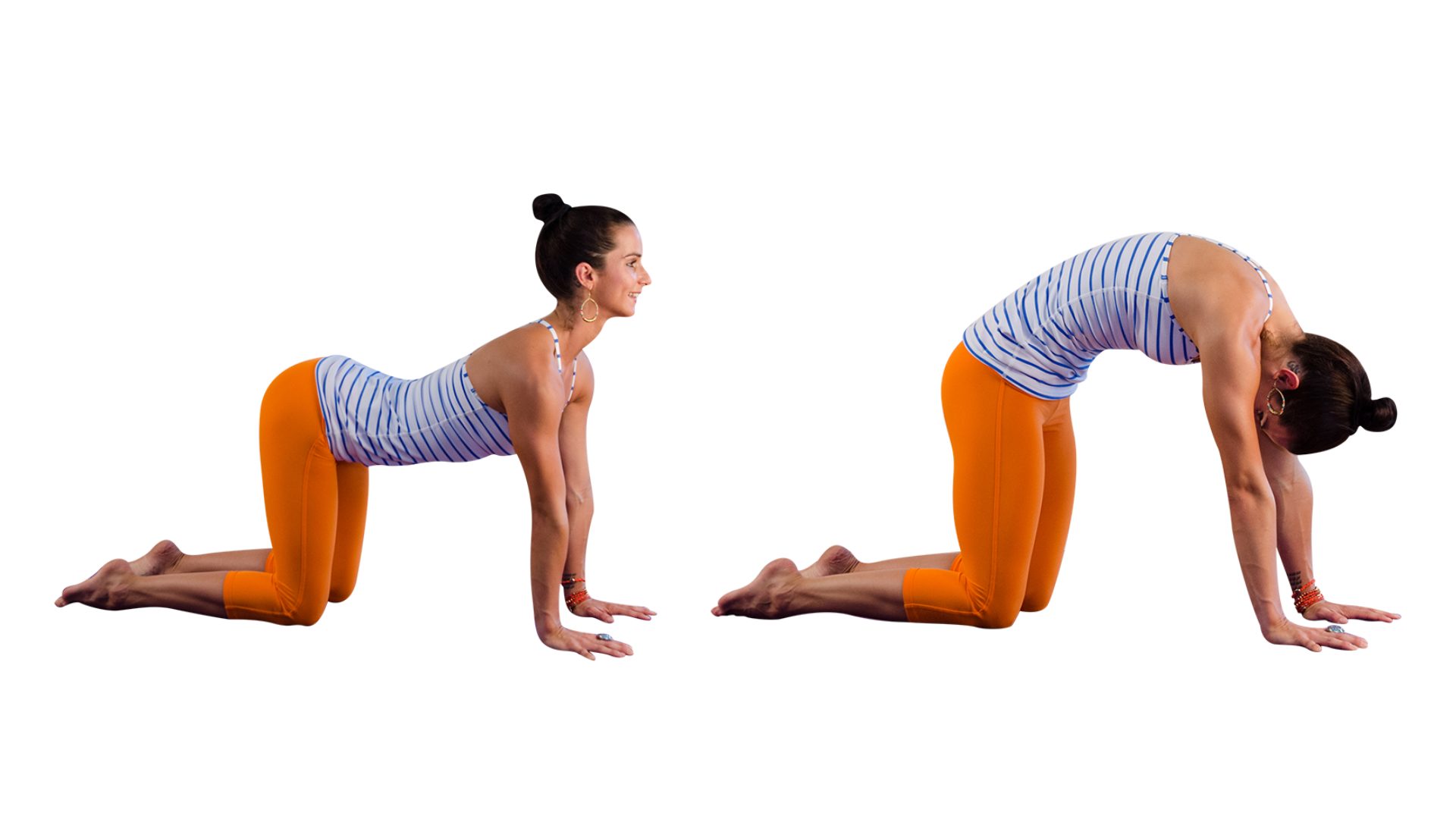
Caregiving often involves lifting and bending.
Cat–Cow restores spinal mobility and releases back tension.
Move with breath. Avoid forcing range.
3. Low Lunge Hip Release (2 Minutes Each Side)

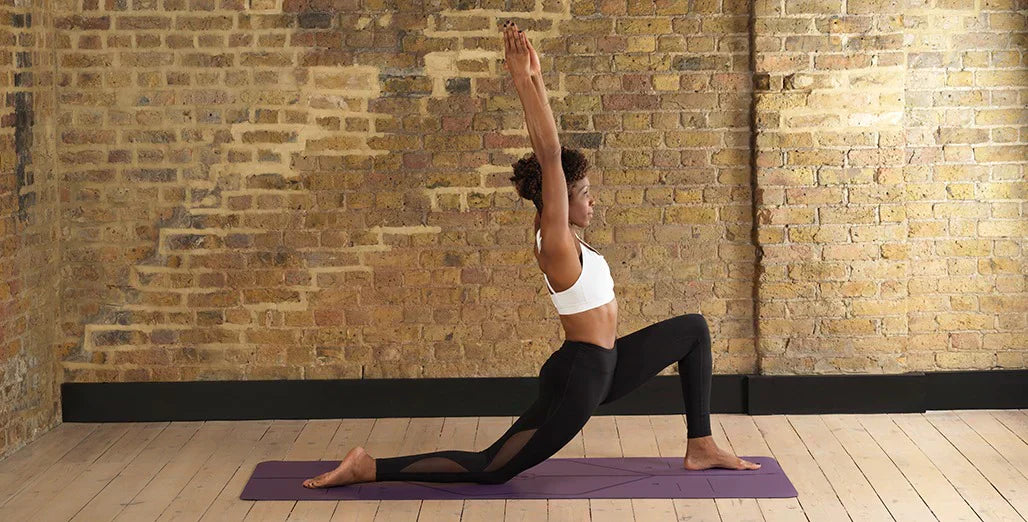
Standing for long hours tightens hip flexors.
Low Lunge:
- Reduces lower back pressure
- Improves posture
- Supports circulation
Keep chest lifted. Breathe deeply.
4. Standing Forward Fold (2 Minutes)

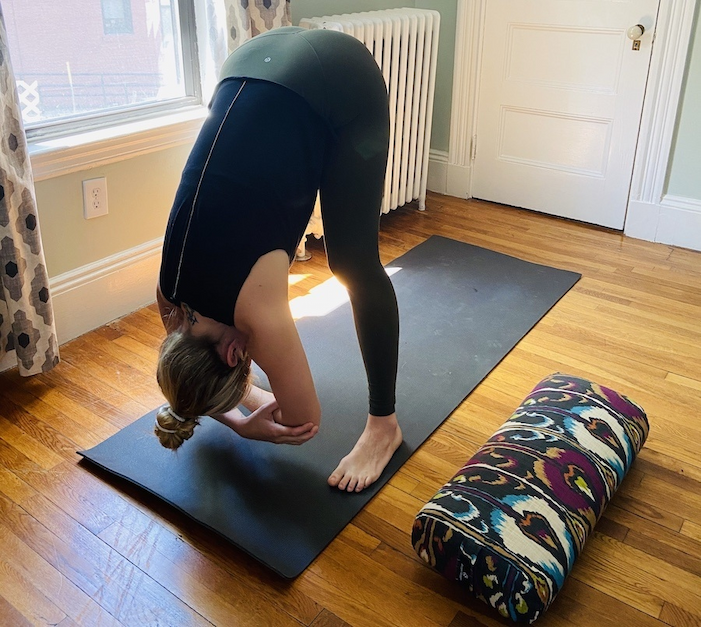
Let your head hang heavy.
This pose:
- Decompresses the spine
- Releases neck tension
- Encourages inward focus
Slight bend in knees is fine.
5. Supine Twist (2 Minutes Each Side)
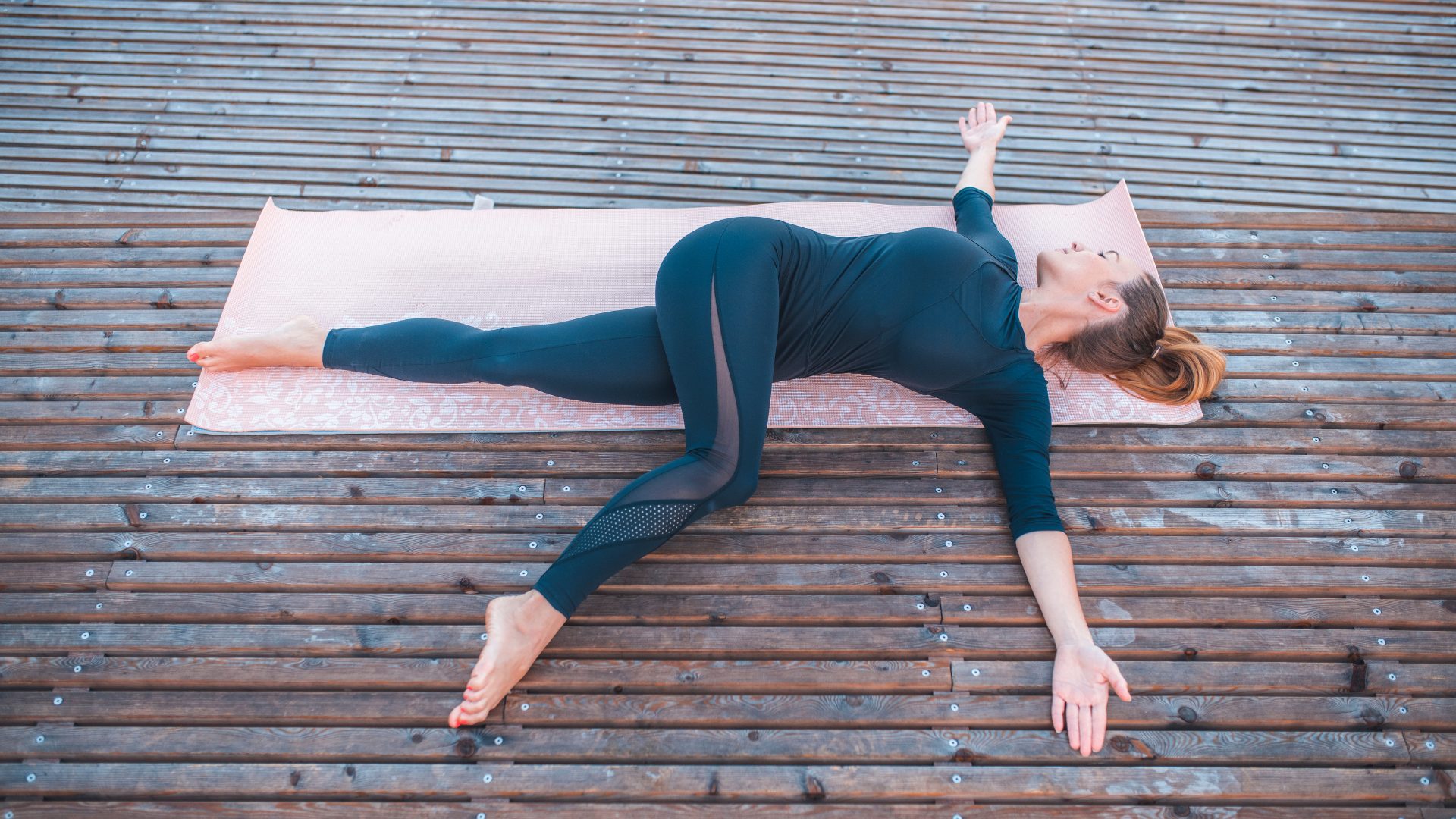
Twists massage internal organs and reduce lower back tightness.
Let your breath soften.
6. Savasana (3 Minutes)
Lie down comfortably.
Hands relaxed. Eyes closed.
Focus on slow breathing.
Even 3 minutes of stillness improves nervous system recovery.
Optional 5-Minute Emergency Reset
If you only have five minutes between responsibilities:
- 1 minute deep breathing
- 1 minute shoulder rolls
- 1 minute forward fold
- 1 minute gentle twist
- 1 minute stillness
Small resets prevent long-term burnout.
How This Flow Supports Emotional Resilience
Caregiving is physically demanding — but it is emotionally demanding too.
This flow helps:
- Lower accumulated stress
- Improve body awareness
- Increase patience and clarity
- Support better sleep
When your body relaxes, your reactions soften.
Practical Self-Care Tips for Caregivers
- Schedule yoga like an appointment
- Practice at the same time daily
- Use dim lighting in the evening
- Stay hydrated
- Avoid intense workouts when exhausted
Consistency is more important than duration.
Final Thoughts
Caregivers often put themselves last, But you cannot pour from an empty system. This 15-minute yoga self-care flow is not indulgence. It is maintenance. It protects your body, your mind, and your ability to continue caring for others.
Take the time.
Breathe deeply.
Reset daily.