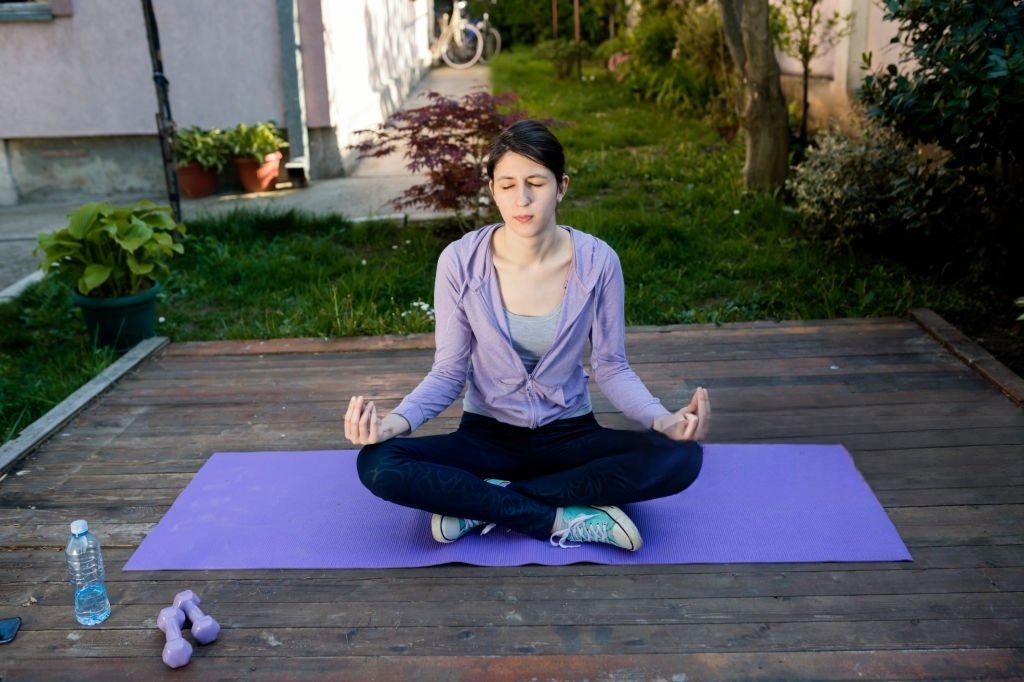
Yoga for Hearing Impaired: Accessible Instructions for an Inclusive Practice
Yoga is often guided by spoken cues. But what if you cannot rely on sound? For people who are deaf or hard of hearing, traditional yoga classes can feel confusing, isolating, or even unsafe.
The good news: yoga is naturally adaptable. With visual guidance, touch-based cues (when appropriate), and structured sequencing, yoga becomes fully accessible. This guide explains how to practice and teach yoga for hearing impaired individuals using clear, inclusive instructions.
Why Accessibility in Yoga Matters
According to the World Health Organization, over 430 million people worldwide have disabling hearing loss. That’s a large community that deserves equal access to movement, wellness, and stress relief.
Yoga offers:
- Improved balance and coordination
- Reduced stress and anxiety
- Better posture and body awareness
- Stronger mind–body connection
Accessibility is not a special feature — it’s a necessity.
Key Principles for Accessible Yoga Instruction
1. Use Clear Visual Demonstration
Instead of relying on verbal cues:
- Demonstrate each pose slowly.
- Face the students whenever possible.
- Hold poses long enough for observation.
- Repeat sequences consistently.
Use mirroring technique (if you raise your right arm, they raise their left) so students can follow naturally.
2. Incorporate Visual Signals
Helpful tools include:
- Printed pose cards
- Whiteboard with sequence steps
- Simple hand signals for “hold,” “breathe,” or “release”
- Projected slides with pose names
If students use sign language, collaborate with a qualified interpreter when available.
3. Provide Written or Printed Sequences
Before class, share:
- A step-by-step outline
- Pose names with small images
- Duration for each posture
This reduces confusion and builds confidence.
4. Use Gentle Physical Cues (With Consent)
Touch-based adjustments can help alignment — but always:
- Ask for permission first
- Use clear gestures before approaching
- Keep adjustments minimal and respectful
Many teachers use consent cards placed on the mat to indicate whether physical assistance is welcome.
Recommended Poses for Hearing Impaired-Friendly Classes
These poses are easy to demonstrate visually and follow without complex verbal explanation.
1. Mountain Pose

Why it works: Simple alignment and grounding.
How to teach visually:
Stand tall. Arms by sides. Show length through spine. Demonstrate slow breathing with visible chest expansion.
Benefits:
- Improves posture
- Builds body awareness
- Creates calm focus
2. Cat–Cow Pose

Why it works: Clear spinal movement that’s easy to copy.
How to teach visually:
Move slowly between arching and rounding the spine. Exaggerate movement for clarity.
Benefits:
- Releases spinal tension
- Encourages mindful breathing
- Improves flexibility
3. Tree Pose

Why it works: Strong visual shape and balance focus.
How to teach visually:
Demonstrate foot placement options (ankle, calf — avoid knee). Show hands in prayer or overhead.
Benefits:
- Improves balance
- Strengthens legs
- Enhances concentration
4. Seated Forward Fold
Why it works: Simple fold movement, minimal complexity.
How to teach visually:
Sit tall. Hinge forward slowly from hips. Show both gentle and deeper variations.
Benefits:
- Stretches hamstrings
- Calms the nervous system
- Encourages inward focus
5. Corpse Pose

Why it works: Requires minimal instruction.
How to teach visually:
Demonstrate lying down position. Use gentle lighting changes or hand signals to indicate beginning and end.
Benefits:
- Deep relaxation
- Stress reduction
- Integration of practice
Classroom Setup Tips
To create a truly inclusive yoga space:
Lighting
- Ensure faces are well-lit for lip reading.
- Avoid backlighting that creates shadows.
Room Arrangement
- Arrange mats in a semi-circle for clear sightlines.
- Avoid crowded layouts.
Reduce Visual Distractions
- Keep background simple.
- Wear solid-colored clothing to make gestures clear.
Teaching Breath Without Sound
Breath cues can be shown visually:
- Place hands on ribcage to show expansion.
- Use arm movements (arms up = inhale, arms down = exhale).
- Display inhale/exhale timing on a board.
Some teachers use visual timers or soft light pulses to guide rhythm.
The Role of Technology
Modern tools help accessibility:
- Captioned video yoga sessions
- Pre-recorded visual tutorials
- Apps with text-based guidance
Organizations like National Association of the Deaf advocate for inclusive communication practices that can be applied in wellness spaces as well.
Emotional Safety and Inclusion
Accessibility is more than technique. It is about respect.
- Speak directly to the student, not only to an interpreter.
- Maintain eye contact.
- Encourage feedback.
- Avoid assumptions about ability level.
Yoga should feel empowering, not limiting.
Sample 20-Minute Accessible Flow
- Mountain Pose – 2 minutes
- Cat–Cow – 3 minutes
- Downward-Facing Dog – 2 minutes
- Tree Pose – 3 minutes
- Seated Forward Fold – 3 minutes
- Gentle Twist – 2 minutes
- Savasana – 5 minutes
Use a printed sequence sheet for smooth transitions.
Final Thoughts
Yoga for hearing impaired individuals is not a separate style of yoga — it is simply clear, intentional, and inclusive teaching.
When we shift from sound-based instruction to visual communication, yoga becomes more universal. The body understands movement. The breath can be seen. The mind can focus without words.
Accessibility is not an extra effort. It is the essence of yoga — connection.