
Yoga for Autistic Adults: Gentle Calming Routines for Sensory Balance
Autistic adults often experience heightened sensory sensitivity, social fatigue, anxiety, and nervous system overload. Bright lights, loud sounds, unexpected changes, or even daily responsibilities can feel exhausting. While therapy and structured support remain important, gentle yoga can offer a calming, body-based tool to regulate stress and improve emotional balance.
Yoga is not about flexibility or performance. For autistic adults, it can become a predictable, grounding routine that supports sensory regulation and nervous system calm.
Why Yoga Helps Autistic Adults
Autism spectrum differences affect how the brain processes sensory input and stress. Many autistic adults experience:
- Sensory overload
- Anxiety and restlessness
- Muscle tension
- Sleep challenges
- Difficulty shifting from “alert mode” to relaxation
Gentle yoga supports the parasympathetic nervous system — the body’s calming response. Slow movement, steady breathing, and predictable patterns can reduce overstimulation and promote internal safety.
Organizations such as Autism Speaks highlight the importance of supportive wellness strategies that improve quality of life for autistic individuals, including structured physical practices.
Key Principles of Yoga for Autistic Adults
To make yoga effective and comfortable:
- Keep lighting soft and natural
- Reduce background noise
- Use clear, simple instructions
- Avoid fast transitions
- Practice at the same time daily (routine builds comfort)
- Allow stim-friendly movements
Predictability is calming. Consistency builds trust in the practice.
Gentle Calming Yoga Routine
This sequence focuses on grounding, proprioceptive input, and slow breathing. Practice for 15–25 minutes in a quiet space.
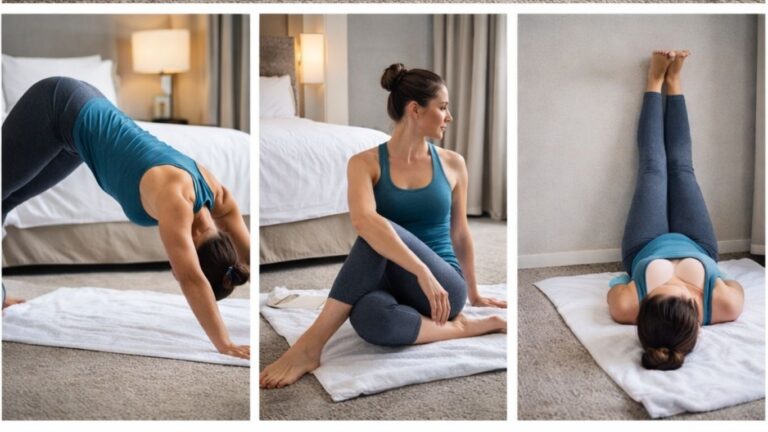
1. Seated Forward Fold

Why it helps:
Forward folds provide gentle pressure and promote inward focus, which can feel regulating.
How to practice:
- Sit with legs extended or slightly bent.
- Slowly fold forward.
- Rest hands on legs or floor.
- Stay for 1–2 minutes with slow breathing.
Use cushions for comfort.
2. Child’s Pose

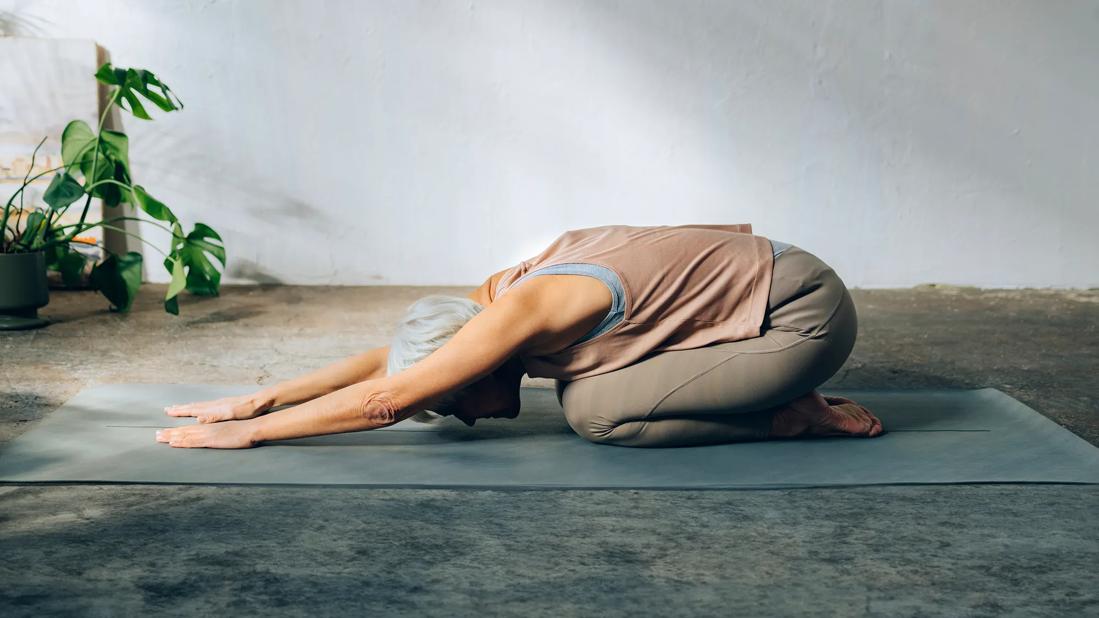
Why it helps:
Provides grounding pressure and reduces sensory input.
How to practice:
- Kneel and sit back on heels.
- Fold forward, forehead supported.
- Arms forward or alongside body.
- Stay for 2–3 minutes.
A pillow under the chest can increase comfort.
3. Cat–Cow


Why it helps:
Creates predictable movement rhythm and improves body awareness.
How to practice:
- On hands and knees.
- Inhale: Lift chest (Cow).
- Exhale: Round spine (Cat).
- Move slowly for 1–2 minutes.
The repetition can feel soothing.
4. Legs Up the Wall


Why it helps:
Reduces heart rate and promotes deep calm.
How to practice:
- Sit beside a wall and lie back.
- Extend legs upward.
- Arms relaxed.
- Stay 5–10 minutes.
This pose is ideal before bedtime.
Breathing Technique for Sensory Regulation
Breath control can help reduce anxiety spikes.
4-4 Breathing Method:
- Inhale for 4 counts
- Exhale for 4 counts
- Repeat for 5 minutes
If counting feels stressful, simply focus on slow, even breaths.
Additional Tips for Sensory Comfort
- Wear soft, comfortable clothing
- Use weighted blankets during final relaxation
- Keep instructions short and clear
- Allow breaks anytime
- Avoid forced eye contact or mirrors
Yoga should adapt to the individual — not the other way around.
Reported Benefits of Gentle Yoga
Autistic adults who practice consistently may notice:
- Reduced anxiety
- Improved sleep
- Better body awareness
- Lower muscle tension
- Increased emotional regulation
While yoga does not “treat” autism, it can support overall mental and physical wellbeing.
When to Seek Guidance
If anxiety, meltdowns, or shutdowns are frequent or severe, professional support from therapists or occupational therapists trained in sensory integration may be helpful. Yoga works best as a complementary practice.
Final Thoughts
Yoga for autistic adults is about safety, predictability, and calm. Gentle movements, steady breathing, and sensory-friendly environments create a space where the nervous system can rest.
Even 10–20 minutes daily can make a difference.
The goal is not perfection — it is comfort and regulation.